
|
 |
 | | | | | | ||||||||||||||||||||||||||||||||||||||||||||||||||||||||||||||||||||||||||||||||||||||||||||||||||||||||||||||||||||||||||||||||||||||||
| | | You are in: Health | ||||||||||||||||||||||||||||||||||||||||||||||||||||||||||||||||||||||||||||||||||||||||||||||||||||||||||||||||||||||||||||||||||||||||||
|
| | Sunday, 18 August, 2002, 23:04 GMT 00:04 UK Re-think urged on malaria vaccines 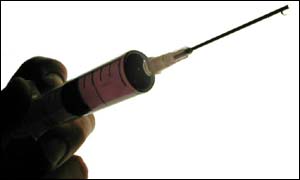 Malaria vaccines are currently being tested Scientists have raised fresh doubts over attempts to develop an effective malaria vaccine. Research carried out in Australia suggests scientists may be focusing their efforts in the wrong areas. There is as yet no effective vaccine against malaria, which kills almost two million people each year.
But researchers at the Walter and Eliza Hall Institute of Medical Research in Melbourne have suggested that another approach may be needed. They believe that tackling the toxin released by the parasite may be more effective. Malaria parasites are transmitted from one person to another by mosquitoes. These parasites enter the bloodstream and attack the body by releasing toxins. Complex disease A study published in July suggested that it may be impossible to develop a vaccine to fight malaria if it aims to kill the parasites which carry the disease. Scientists suggested that the genetic make-up of the parasites was too complex and that they could evolve much more quickly than previously thought. They said this explained why drug-resistant malaria is increasing and why it is proving very difficult to develop and effective vaccine. Lab tests But in tests on mice, Louis Schofield and colleagues, have been able to stop malaria in its tracks. They injected mice with a manufactured version of the toxin, so-called synthetic GPI or glycosylphoshatidylinositol. Mice injected with this chemical were protected against many of the signs of malaria and also death from the disease. The researchers said their findings highlighted the fact that scientists should look at developing a vaccine which targets the toxin rather than the parasite. Writing in the journal Nature, the authors said: "These data suggest that an anti-toxic vaccine against malaria might be feasible." | | See also:  13 Aug 02 | Health 18 Jul 02 | Health 26 Jul 99 | Medical notes Internet links: The BBC is not responsible for the content of external internet sites Top Health stories now: Links to more Health stories are at the foot of the page. | ||||||||||||||||||||||||||||||||||||||||||||||||||||||||||||||||||||||||||||||||||||||||||||||||||||||||||||||||||||||||||||||||||||||||
| |
|  E-mail this story to a friend E-mail this story to a friend |
| |
| Links to more Health stories |
| | | ||
 | ||||
 | | Back to top
| ||
| ---------------------------------------------------------------------------------- To BBC Sport>> | To BBC Weather>> | To BBC World Service>> ---------------------------------------------------------------------------------- © MMIII | News Sources | Privacy |





