
|
 |
 | | | | | | ||||||||||||||||||||||||||||||||||||||||||||||||||||||||||||||||||||||||||||||||||||||||||||||||||||||||||||||||||||||||||||||||||||||||
| | | You are in: Health | ||||||||||||||||||||||||||||||||||||||||||||||||||||||||||||||||||||||||||||||||||||||||||||||||||||||||||||||||||||||||||||||||||||||||||
|
| | Friday, 2 August, 2002, 15:13 GMT 16:13 UK Legionnaires': Tracking the source 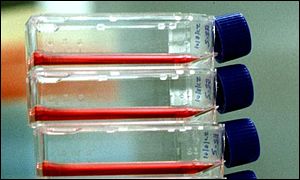 Samples will be tested for the bacterium Disease experts will be racing to identify the source of a Legionnaires' disease outbreak that has already infected at least 19 people. All those affected come from the town of Barrow-in-Furness in Cumbria - meaning the source is most likely somewhere in the town. With only a small proportion of those exposed actually falling ill, it is probable that very large numbers of townsfolk have come into contact with the Legionnaires' bug. However, the teams scouring the town have the benefit of the failures endured and successes achieved during previous outbreaks. And the most helpful aspect of Legionnaires' is that everyone has to have caught the disease in the same place - it cannot be spread from person to person. The culprit is the Legionella bacterium, which lives in water - and needs to reach the lungs of its next potential victim. This limits the areas in which it can thrive and spread to humans. Lung entry Water droplets carrying the bacteria have to be carried in an aerosol form into the lungs. The finger of blame generally points at industrial water cooling systems in factories, air conditioning units that serve office buildings, or perhaps communal spa baths.
He investigated a major outbreak in Glasgow in 1984. He said: "The investigators will be looking for links between the patients to lead them to the source. "It might be a cooling tower in an industrial estate, a whirlpool bath or maybe even a fountain. "There is a tendency when these things happen to panic and start looking everywhere, but you don't need to do that." "It's standard epidemiology - there are techniques to link the sources of outbreaks." Illness hope He did, however, offer some reassurance to the people of Barrow. He said: "If you are of general good health and fitness, even if you have been exposed you are unlikely to fall ill. "Those who fall ill are generally those in whom there are other factors, or who are older or in poorer health. "If it is picked up in reasonable time there are some very good treatments." And he said that fears that domestic water supplies could be contaminated were likely to prove unfounded. He said: "Big outbreaks such as this do not tend to be traced back to water systems in the home, but to those in big buildings." Even if the source of the outbreak is never found, he said, it was probable that the number of infections would drop away on their own. He said: "There tends to be a particular set of circumstances, perhaps involving weather conditions, that leads to an outbreak at a particular moment." | | See also:  02 Aug 02 | Health 02 Aug 02 | Medical notes Internet links: The BBC is not responsible for the content of external internet sites Top Health stories now: Links to more Health stories are at the foot of the page. | ||||||||||||||||||||||||||||||||||||||||||||||||||||||||||||||||||||||||||||||||||||||||||||||||||||||||||||||||||||||||||||||||||||||||
| |
|  E-mail this story to a friend E-mail this story to a friend |
| |
| Links to more Health stories |
| | | ||
 | ||||
 | | Back to top
| ||
| ---------------------------------------------------------------------------------- To BBC Sport>> | To BBC Weather>> | To BBC World Service>> ---------------------------------------------------------------------------------- © MMIII | News Sources | Privacy |





