|
 |
 | | | | | | |||||||||||||||||||||||||||||||||||||||||||||||||||||||||||||||||||||||||||||||||||||||||||||||||||||||||||||||||||||||||||||||||||||||||||||||||||||||||||||||||||||||||||||||||||||||||||||||
| | | You are in: Health | |||||||||||||||||||||||||||||||||||||||||||||||||||||||||||||||||||||||||||||||||||||||||||||||||||||||||||||||||||||||||||||||||||||||||||||||||||||||||||||||||||||||||||||||||||||||||||||||||
|
| | Friday, 2 August, 2002, 21:40 GMT 22:40 UK Legionnaires' alert claims first victim 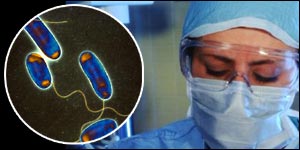 More than 100 could develop the illness An 89-year-old man has become the first to die in a major Legionnaires' disease outbreak in north-west England. Doctors say dozens more people may have the illness, which kills up to one in seven of those who fall sick. The outbreak, in Barrow-in-Furness, Cumbria, is the largest in the UK for a decade, and is potentially one of the biggest ever recorded world-wide. The search is on to find the source of the infection before dozens more fall ill. Anybody who visited the Barrow area from 1 July onwards could be at risk.
At present, 19 cases have been confirmed and another 36 are suspected. However, the five to 10 day incubation period of the disease means that experts estimate as many as another 100 cases could arise over the next one to two weeks. The source of the outbreak has not yet been determined. However, police cornered off a council-run leisure facility in the centre of the town on Friday evening. So far they have identified six possible sources. Most of those who have so far contracted the disease come from Barrow and all had recently been in the centre of the town. This includes one person from Burnley who had been visiting. Major incident A major incident team has been set up to handle the outbreak, with Morecambe Bay NHS Trust on alert to deal with more cases. Most of the patients are being treated at Furness General Hospital. Four patients are in intensive care. All non-urgent operations have been cancelled.
"We have been seeing people coming through at the rate of six to 10 a day, so projecting that over 10 days we are expecting another hundred." Mr Cumming said more deaths from the disease were very likely. Experts fear the final toll could reach 20. Rushed to A&E The father of one 18-year-old girl spoke on Friday of how he had rushed his daughter to hospital on hearing of the outbreak. Speaking outside Furness Hospital, Bernard Hannaway from Barrow said: "She's been feeling ill for two or three days. She has been burning up and feeling sick and with this news today we thought we had better come and get it checked out." Laura Hannaway is believed to have been in Barrow town centre throughout the week for interviews to join the RAF. Initially, patients at the hospital had been diagnosed with pneumonia but when the number of cases rose signficantly above normal levels medical staff became suspicious. Test results received on Friday morning confirmed Legionnaires'. Dr John MacFarlane, a respiratory infections expert, said: that if medical staff in Cumbria had caught the disease early, then the death rate could be minimised. He said: "It's an infection you can acquire if you are in the vicinity of an affected water system but it is not an infection that you can pass on from one person to another.
Dr John Lee, of the Central Public Health Laboratory, said males over 50 who smoke or those with existing health problems were most at risk of the contracting the disease. "People who have sudden onset of acute respiratory symptoms should attend their doctor and ask to be investigated if they are seriously ill." "The most likely scenario is it has been caused by a cooling tower," he said. "Depending on the site of the source, a very large proportion of the population in the town could have been exposed. It is very difficult to know how many people will be affected." The disease is caused by the Legionella bacterium, and is often spread through colonised air conditioning units. | |
See also:  09 Feb 99 | Medical notes 02 Aug 02 | Health 02 Aug 02 | Health 03 Apr 01 | Health 24 Apr 01 | Health 22 Jun 01 | Health 17 Oct 01 | England Internet links: The BBC is not responsible for the content of external internet sites Top Health stories now: Links to more Health stories are at the foot of the page. | |||||||||||||||||||||||||||||||||||||||||||||||||||||||||||||||||||||||||||||||||||||||||||||||||||||||||||||||||||||||||||||||||||||||||||||||||||||||||||||||||||||||||||||||||||||||||||||||
| |
|  E-mail this story to a friend E-mail this story to a friend |
| |
| Links to more Health stories |
| | | ||
 | ||||
 | | Back to top
| ||
| ---------------------------------------------------------------------------------- To BBC Sport>> | To BBC Weather>> | To BBC World Service>> ---------------------------------------------------------------------------------- © MMIII | News Sources | Privacy |