|
 |
 | | | | | | ||||||||||||||||||||||||||||||||||||||||||||||||||||||||||||||||||||||||||||||||||||||||||||||||||||||||||||||||||||||||||||||||||||||||||||||||||||||||||||||||||||||||||||||||||||||||||
| | | You are in: Health | ||||||||||||||||||||||||||||||||||||||||||||||||||||||||||||||||||||||||||||||||||||||||||||||||||||||||||||||||||||||||||||||||||||||||||||||||||||||||||||||||||||||||||||||||||||||||||||
|
| | Tuesday, 18 June, 2002, 09:52 GMT 10:52 UK Doctors warned over 'lethal' treatment Potassium chloride is widely used in hospitals A warning is to be issued about a substance regularly used by doctors in UK hospitals which can be lethal if administered incorrectly. It has emerged that potassium chloride - widely used to treat the critically ill - killed three people after being administered wrongly in a handful of hospital trusts over a six-month period. The discovery came out of the first-ever detailed study of "adverse incidents" in NHS hospitals - a report, it is claimed, the government tried to cover up.
The newly-created National Patient Safety Agency (NPSA) carried out the pilot study which found 24,500 "adverse incidents" in just 28 NHS hospitals in six months. Various problems Some of those were relatively trivial problems, such as a bandage being wrongly applied or a patient tripping, but others were classified as "catastrophic". It also emerged that potassium chloride - which is used in some parts of the United States to execute prisoners on death row - had been responsible for three deaths during the time of the study. Here, smaller doses are used widely in the NHS to treat critically ill patients who have dangerously low levels of potassium.
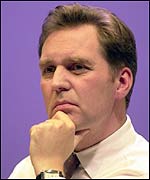
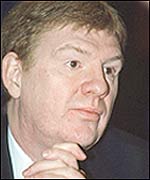
As a result, the NPSA will shortly issue its first patient safety alert, tightening up the rules for storage and labelling of potassium chloride and advising NHS staff how to avoid errors when it is dispensed. That decision has been welcomed by health service staff. Alison Ewing, chief pharmacist at the Royal Liverpool NHS Trust said: "I think its good that everyone now will have one set of rules to work to." She added: "I feel that for sure with one set of standard operating procedures it must be safer for everyone." Under fire Health Secretary Alan Milburn came under fire on Monday following claims he had tried to suppress the NPSA report and prevent its publication. But a Department of Health spokesman insisted it would have been "irresponsible" to publish what is preliminary, and possibly unreliable data in an official document. But Sir Liam told the BBC: "We were worried about publishing data that had such a high level of inaccuracy. "But we're tidying it up and we've learned an enormous amount from the pilot study. "But the government actually set up this initiative, so there's never been any question of wanting to cover anything up." The Evening Standard newspaper had claimed the findings were due to be published on Tuesday at a NPSA conference but Mr Milburn had suppressed them because of fears of how the public would react to the news. It has now emerged that Sir Liam will present preliminary figures to the NPSA conference but will add a "health warning" about what conclusions can be drawn. "One of the major question marks about the quality of the data is that because the pilot scheme is in its early stages the number of reported incidents is less than international studies would suggest for comparable health care systems," he said.
A number of pilot hospitals are being encouraged to detail all mistakes and so-called "near misses" to the NPSA. Government drive Eventually all hospitals and GP surgeries will be required to do so. It is part of a government drive to reduce the "blame culture" among doctors and other health professionals. Ministers want to set up an "early warning system" which could spot common mistakes and hopefully work to reduce them. The NPSA pilot study reportedly found more than 300 incidents involving mistakes during childbirth. Whether the 24,500 total is sufficiently robust to be extrapolated across the NHS is disputed, but if the 28 trusts were representative of the NHS as a whole, then it could mean more than a million accidents and errors every year. Mike Stone, director of the Patients Association, said the figures needed to be put in context. But he added: "Lessons must be learned. We are talking about peoples lives at the end of the day." Dr Evan Harris, Liberal Democrat health spokesman, said: "We can only prevent mistakes by changing procedures, so it is essential that people are aware of mistakes when they happen." | |
See also:  17 Jun 02 | Health 27 Jul 02 | Health 17 Jun 02 | Health 17 Apr 01 | Health 03 Aug 01 | Health 17 Jan 02 | Health 17 Jan 02 | Health 15 Feb 01 | Health Internet links: The BBC is not responsible for the content of external internet sites Top Health stories now: Links to more Health stories are at the foot of the page. | ||||||||||||||||||||||||||||||||||||||||||||||||||||||||||||||||||||||||||||||||||||||||||||||||||||||||||||||||||||||||||||||||||||||||||||||||||||||||||||||||||||||||||||||||||||||||||
| |
|  E-mail this story to a friend E-mail this story to a friend |
| |
| Links to more Health stories |
| | | ||
 | ||||
 | | Back to top
| ||
| ---------------------------------------------------------------------------------- To BBC Sport>> | To BBC Weather>> | To BBC World Service>> ---------------------------------------------------------------------------------- © MMIII | News Sources | Privacy |