
|
 |
 | | | | | | |||||||||||||||||||||||||||||||||||||||||||||||||||||||||||||||||||||||||||||||||||||||||||||||||||||||||||||||||||||||||||||||||||||||||||||||||||||||||||
| | | You are in: Health | |||||||||||||||||||||||||||||||||||||||||||||||||||||||||||||||||||||||||||||||||||||||||||||||||||||||||||||||||||||||||||||||||||||||||||||||||||||||||||||
|
| | Thursday, 13 June, 2002, 08:17 GMT 09:17 UK Analysis: Consultant contract 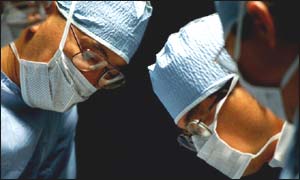 The contract boost consultants' salaries by 20%
Both the government and the British Medical Association are hailing the proposed new contract for consultants. According to ministers, the deal "is good news for NHS patients and for NHS consultants". According to the BMA, it "is fair to consultants and fair to the NHS". However, the government has already been accused of backtracking on key promises, not least its pledge to ban newly-qualified consultants from doing private work.
These generous terms - a 20% increase in the starting pay of consultants - also prompted quick calls from unions for similar increases for nurses and other professionals working in the health service. Private fears For their part, ministers have moved quickly to play down suggestions they backtracked on introducing a private practice ban. Under the deal, newly-qualified consultants will have to work 48 hours per week for the NHS before they can run private clinics. Similarly, existing consultants will have to work 44 hours per week before they can treat patients privately. Health Secretary Alan Milburn said: "For the first time it will be explicitly part of the consultants' contract of employment that NHS patients come first and the NHS always has first call on consultants' time." However, these measures do not constitute the ban on private practice first proposed by ministers in the NHS Plan in July 2000 and reiterated as recently as one month ago. Under those proposals, ministers wanted to prevent every newly-qualified consultant from working in the private sector for at least seven years.
The contract, agreed between the Department of Health and the BMA, makes no reference to a private practice ban. It does, however, promise to boost the basic starting salary of consultants from �52,640 to �63,000. Over the past two years, ministers have said the ban was needed to prevent doctors from abusing the NHS - namely by treating private patients when in fact they should be working for the health service. They also saw the ban as a way of ensuring the State got value out of the doctors it spends millions training. But doctors were strongly against the idea. The categorically denied allegations that they abused the NHS and BMA negotiators consistently said they would never countenance signing up to the ban. Meanwhile, lawyers suggested the ban may be unworkable since it could be seen to violate a doctors' human rights by dictating where and how they work. Political support Nevertheless support for the ban was strong on government backbenches. Labour MP David Hinchliffe and chairman of the Commons health committee criticised the government's failure to impose the ban. He said: "I would like to have seen not just a seven year commitment but a permanent commitment for NHS consultants to work full time in the NHS and to be properly rewarded for actually doing so.
Doctors are adamant that the contract, which will boost their pay and reduce their working hours, is long overdue. Dr Peter Hawker, chairman of the BMA's consultants committee said: "The new contract will offer consultants some control over their workload. It recognises just how much hidden work they do at nights and weekends and offers them a reward for that commitment." Mr Milburn echoed that view. "It offers more pay for NHS consultants so that more NHS patients benefit from more of their precious time and skills," he said. However, Professor Alan Maynard of the University of York warned that the extra pay for consultants must be accompanied with new checks on the work they are doing for the NHS. "There are enormous variations in the amount of work consultants do in the NHS and we don't really know why there is that enormous variation," he said. "The big risk with this contract is that doctors will get a significant increase in pay and the NHS will not get any increase in activity or quality of work they do. "If they are paid more there should be demonstrable improvements in the quality and quantity of their work." Financial floodgates The terms of this contract - which will bring the annual pay bill for consultants above �2bn - have been agreed with Chancellor Gordon Brown. However, it may already be causing concern inside the Treasury. Nurses and other groups have been quick to use this deal to demand their own pay increases. Upon hearing details of the consultants' contract, Beverly Malone, general secretary of the Royal College of Nursing said: "Nurses will now have high expectations of their own pay and career modernisation." She added: "The government has delivered for doctors - they now have to deliver for nurses." Dave Prentis, general secretary of Unison, said: "The new starting salary raises the benchmark for NHS pay." There can be little doubt that the impact of this new contract will be watched carefully both inside and outside government. Ministers presumably hope this contract will help to ensure the extra billions promised for the NHS over the coming years will produce visible improvements on the ground. Mr Milburn insists it will. "These are fundamental and far reaching changes to how NHS consultants are employed, rewarded and managed. "NHS consultants will get more - but only if NHS patients get more." For the time being at least, all sides appear to be content. | |
See also:  12 Jun 02 | Health 21 Feb 01 | Health 14 Feb 02 | Health Internet links: The BBC is not responsible for the content of external internet sites Top Health stories now: Links to more Health stories are at the foot of the page. | |||||||||||||||||||||||||||||||||||||||||||||||||||||||||||||||||||||||||||||||||||||||||||||||||||||||||||||||||||||||||||||||||||||||||||||||||||||||||||
| |
|  E-mail this story to a friend E-mail this story to a friend |
| |
| Links to more Health stories |
| | | ||
 | ||||
 | | Back to top
| ||
| ---------------------------------------------------------------------------------- To BBC Sport>> | To BBC Weather>> | To BBC World Service>> ---------------------------------------------------------------------------------- © MMIII | News Sources | Privacy |






