
|
 |
 | | | | | | |||||||||||||||||||||||||||||||||||||||||||||||||||||||||||||||||||||||||||||||||||||||||||||||||||||||||||||||||||||||||||||||||||||||||||||||||||||||
| | | You are in: Health | |||||||||||||||||||||||||||||||||||||||||||||||||||||||||||||||||||||||||||||||||||||||||||||||||||||||||||||||||||||||||||||||||||||||||||||||||||||||||
|
| | Thursday, 31 October, 2002, 10:13 GMT Why consultants are in bullish mood 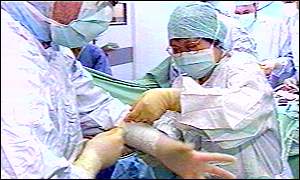 Doctors don't want greater controls
The image of a "fat cat" consultant spending more time on the golf course than on the wards is one that we're likely to see borrowed over the coming few days, as senior doctors reject a new contract. It's a handy tool to reinforce the widely held public view that consultants are more interested in their private practice than the NHS. But though some indeed are, the row over the new deal has very little to do with private work. Only one third of consultants actually undertake private work. It's more about power. On the face of it the proposed new contract looks like an extremely attractive deal:
Opposition to the deal revolves around two key issues. Firstly, senior doctors are mistrustful of how their day will be used. They consider this to be effectively handing control over to managers who themselves are under pressure to meet ambitious waiting list targets and the fear is that those could become unrealistic goals as a general election approaches. And, secondly, many take umbrage at being told what they can and can't do in their "spare" time. Style issue Under the contract a doctor who wishes to do a little bit of private work on the side, must offer the NHS one or two extra sessions first. This has become less of an issue as the government ditched its initial proposal for a seven year ban on private work for new doctors.
Few would argue against the need to recruit more senior doctors, provide a more patient centred service and speed up diagnosis and treatment. But many feel that the reforms are being driven by political imperatives not clinical need. So what happens now that the deal has been rejected? One option is for trusts to offer the new contract to newly-appointed consultants. Another option is to capitalise on the regional differences and to introduce the contract in Scotland, Northern Ireland and other areas where there was high levels of support. Managers' headache Existing consultants would have an option to remain on their present deal though the assumption is that they would forgo a pay rise.
There has been speculation that if the contract is imposed senior doctors will leave the NHS in their droves, setting up private chambers similar to the way in which barristers operate. Although the BMA is looking at the practicalities of this, it's unlikely that many senior doctors will go down this route. You need only look at GPs - who work as independent contractors - and their complaints about being overburdened with paperwork. We are more likely to see senior doctors tearing up their BMA membership cards in disgust with the fact that "this is the best they could come up with". Renegotiation not an option The union's top negotiatior admitted recently that he misjudged the level of "open warfare" between doctors and managers in some parts of the country. Dr Peter Hawker has since resigned. Renegotiation is not an option - the government has said bullishly time and time again. The junior doctors though did manage to get ministers back around the table and consultants could perhaps do the same but it's unlikely to be this side of the general election. Industrial action is also a theoretical option although it clashes with the professional ethos of medical staff and inevitably would harm patients. The government has faced the wrath of tube drivers, fire fighters and now the doctors - and though consultants are unlikely to go on strike - mutterings of "working to rule" have been heard in many a hospital scrubbing up room. And for the government's modernisation plans - doctors working 40 hours a week and no more - would blow a cavernous hole in their reform programme. | |
Internet links:  The BBC is not responsible for the content of external internet sites Top Health stories now: Links to more Health stories are at the foot of the page. | |||||||||||||||||||||||||||||||||||||||||||||||||||||||||||||||||||||||||||||||||||||||||||||||||||||||||||||||||||||||||||||||||||||||||||||||||||||||
| |
|  E-mail this story to a friend E-mail this story to a friend |
| |
| Links to more Health stories |
| | | ||
 | ||||
 | | Back to top
| ||
| ---------------------------------------------------------------------------------- To BBC Sport>> | To BBC Weather>> | To BBC World Service>> ---------------------------------------------------------------------------------- © MMIII | News Sources | Privacy |






