|
 |
 | | | | | | ||||||||||||||||||||||||||||||||||||||||||||||||||||||||||||||||||||||||||||||||||||||||||||||||||||||||||||||||||||||||||||||||||||||||||||||||||||||||||||||||||||||||||||||||
| | | You are in: Europe | ||||||||||||||||||||||||||||||||||||||||||||||||||||||||||||||||||||||||||||||||||||||||||||||||||||||||||||||||||||||||||||||||||||||||||||||||||||||||||||||||||||||||||||||||||
|
| | Friday, 27 December, 2002, 13:33 GMT Europe imagines its future 
Major changes in the European Union's history tend to be marked by grand treaties, named after the town in which they were negotiated or signed - Rome, Maastricht, Nice.
The European house-builders have been knocking down walls, inviting in the neighbours, and dreaming about turning it into some sixties-style commune - no money (well, the same money for everyone), no borders, no religious barriers (now that the Turks have been given hope of joining). "I hope some day you'll join us," the EU seemed to be singing, with John Lennon, "and the world will be as one." Imagine! Inflation It began on January 1, with the introduction of euro notes and coins - a single currency for 12 nations.
Statistically, most Euro-zone citizens are in favour of the new currency, ranging from 89% support in Luxembourg to just 62% in Germany. But support has been falling away slightly, with growing numbers hankering after their old notes and coins, and - crucially - a huge majority of people convinced that the euro has brought massive inflation. In Germany, where the euro is worth about two old Deutschmarks, millions of people will tell you that shopkeepers doubled prices at a stroke by simply switching from the DM to the euro symbol. In other countries too, people think they've been diddled. The European Commission, however, insists that inflation due to the introduction of euro notes and coins is just 0.2%. Architecture It's all in the mind, the Commission says: there has indeed been a marking up of prices in restaurants and cafes, for example, but such spending, while psychologically significant to the consumer, accounts for only a small proportion of overall spending. The public remains unconvinced about that.
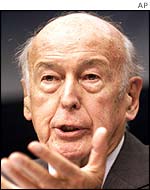
There was no calamity, no mass fraud, no financial gridlock. And so the commune-builders proceeded to their next task. Since late February the 100-odd members of the Convention of the Future of Europe have been meeting once or twice a month to thrash out sweeping changes to the EU's political architecture. Everyone is now eagerly handing up buckets of cement and planks of wood: even Britain, which once pooh-poohed the idea of an EU constitution, now thinks it is a good idea. The constitution will enshrine the boldest-ever moves towards harmony and integration in the EU. Or at least, that is the aim. Designwork by commission rarely achieves a perfect outcome, however, as the flawed Treaty of Nice demonstrated. New look Still, whatever the quality of the draughtsmanship, the house will have to have room in the loft for expansion, for by the end of 2002, the doors were flung open to no fewer than ten new families - a total of 75 million extra people - who will join the EU in 2004.
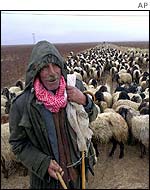
The negotiations over the conditions of entry for the applicant countries (eight from central and eastern Europe plus Malta and Cyprus) were predictably tough, but were brought to a successful conclusion by the Danish Government, which chaired EU business for the second half of 2002. The year thus set the scene for a new-look EU. There will be strange new tongues and mentalities to contend with - Slavonic languages and post-communist stress disorder. Islam and Christianity Thanks to another decision taken at the December summit in Copenhagen, Turkey is likely to work flat-out to demonstrate its fitness to begin membership talks, as promised, at the end of 2004. In making that promise to a half-Asian, Muslim society, the EU finally cast off its white/Christian image, or at least tried to. It could prove to be the most important decision taken in 2002. If Turkey lives up to its word, and presents the EU in two years time with a perfect human rights and democracy record, it will be in a position to form a vital bridge between the Islamic and Christian worlds. The EU house will then, of course, require some major structural repairs... but that remains a long way off. | |
Top Europe stories now:  Links to more Europe stories are at the foot of the page. | ||||||||||||||||||||||||||||||||||||||||||||||||||||||||||||||||||||||||||||||||||||||||||||||||||||||||||||||||||||||||||||||||||||||||||||||||||||||||||||||||||||||||||||||||
 | |
|  E-mail this story to a friend E-mail this story to a friend |
| |
| Links to more Europe stories |
| | | ||
 | ||||
 | | Back to top
| ||
| ---------------------------------------------------------------------------------- To BBC Sport>> | To BBC Weather>> | To BBC World Service>> ---------------------------------------------------------------------------------- © MMIII | News Sources | Privacy |






 The constitution will enshrine the boldest-ever moves towards harmony and integration in the EU