|
 |
 | | | | | | |||||||||||||||||||||||||||||||||||||||||||||||||||||||||||||||||||||||||||||||||||||||||||||||||||||||||||||||||||||||||||||||||||||||||||||||||||||||||||||||||||||||||||||||
| | | You are in: Europe | |||||||||||||||||||||||||||||||||||||||||||||||||||||||||||||||||||||||||||||||||||||||||||||||||||||||||||||||||||||||||||||||||||||||||||||||||||||||||||||||||||||||||||||||||
|
| | Thursday, 28 November, 2002, 11:06 GMT Diary: A wealth of embarrassments 
First to shoot from the lip was Valery Giscard d'Estaing, the man in charge of the convention of worthies who are plotting Europe's destiny.
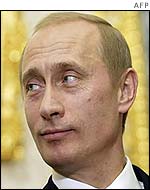
His timing was impeccable - a slap in Turkey's face just when its new government is needed on side to resolve crucial issues such as the reunification of Cyprus. Then it was Vladimir Putin's turn to catch the Brussels blundering bug. Answering a question about Chechnya and Islamic radicalism, the Russian president's tongue led him into making what probably would have counted as a joke in his former life as a KGB agent. Journalists who sympathised with the Chechens, he seemed to say, should come to Moscow and get circumcised: "I'll recommend that the operation be carried out in such a way that nothing will ever grow there again." The corridors of the Lubyanka were probably echoing with laughter.  The Committee's plenary session on 20 November was dealt a "knock-out blow", with many texts unavailable, and amendments translated only partially and by unqualified staff.
It has 444 members and hundreds of staff, but has only a consultative role in EU decision-making. Most Europeans are unaware of its existence. Sadly, for the CoR, it can make recommendations, but in the end laws in the EU are passed by national governments, not regional assemblies. It prides itself, however, on "literally" (according to its own PR material) "bringing the EU closer to the people". Obviously we should all have been much more distressed than we were by that two-week strike.
This month Calre agreed to set up another acronym, Norpec, which stands for Network of Regional Parliamentary European Committees. With the important business of finding a snazzy title out of the way, Norpec is now looking for a role in life. Its first press release said its members had agreed "to make efforts to develop the rationale for the network". Already, though, they have agreed to have a "regular exchange of committee agendas, reports and committee information". That should bring the EU closer to the people.
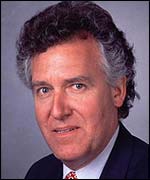
Britain, ever ambiguous about Europe, still has Peter Hain hopping over to the Convention's sessions, even though he is no longer Europe Minister, but Welsh Secretary. The effect of this on the EU's Constitution remains to be seen. Who knows, perhaps he will argue for a proper role for Europe's regions - music to the ears of CoR, Norpec and sundry abbreviations? | |
Internet links:  The BBC is not responsible for the content of external internet sites Top Europe stories now: Links to more Europe stories are at the foot of the page. | |||||||||||||||||||||||||||||||||||||||||||||||||||||||||||||||||||||||||||||||||||||||||||||||||||||||||||||||||||||||||||||||||||||||||||||||||||||||||||||||||||||||||||||||
 | |
|  E-mail this story to a friend E-mail this story to a friend |
| |
| Links to more Europe stories |
| | | ||
 | ||||
 | | Back to top
| ||
| ---------------------------------------------------------------------------------- To BBC Sport>> | To BBC Weather>> | To BBC World Service>> ---------------------------------------------------------------------------------- © MMIII | News Sources | Privacy |






 The CoR prides itself on 'literally' bringing the EU closer to the people