|
 |
 | | | | | | |||||||||||||||||||||||||||||||||||||||||||||||||||||||||||||||||||||||||||||||||||||||||||||||||||||||||||||||||||||||||||||||||||||||||||||||||||||||||||||||||
| | | You are in: Europe | |||||||||||||||||||||||||||||||||||||||||||||||||||||||||||||||||||||||||||||||||||||||||||||||||||||||||||||||||||||||||||||||||||||||||||||||||||||||||||||||||||
|
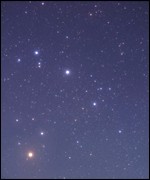
| | Thursday, 8 August, 2002, 14:54 GMT 15:54 UK France celebrates beauty of the stars  Star Night XII: The Perseids are back! (Nostromo) France launches its annual Nuit des Etoiles (Night of the Stars), a three-day celebration of the magic of the summer night sky, on Thursday evening. Every year in August, showers of shooting stars known as Perseid meteors are visible across the night sky and thousands of people gather at special observation points across the country to view the spectacle.
What began as a France 2 special programme 12 years ago, has now become a hugely popular national event. This year, the TV channel broadcast its annual programme on Wednesday evening, to prepare people in advance with information about stars, constellations and galaxies. Astronomers - professionals and amateurs - astrophysicists and French female astronaut turned government minister Claudie Haignere were France 2 TV's guests for this special evening, broadcast from a little village and its observatory in the heart of Provence.
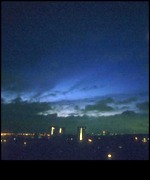
Viewers were told of two future space missions - GALEX, the Galaxy Evolution Explorer, designed to map the history of star formation and COROT, dedicated to stellar seismology and the study of extra-solar planets. The spectacle is expected to be even more beautiful this year, weather permitting of course, as the sky will be dark with a new moon starting on Thursday evening. One obstacle to viewing the stars, though, is pollution. Urban areas are particularly affected by the night lighting, smoke and gas emissions which change the colour of the sky.
But star lovers can go to one of the 467 observation centres, including 100 abroad, opened to the public free of charge from Thursday to Saturday. More than 100 new centres have been set up since last year and 2,000 organisers and astronomers will be on hand at the sites to offer explanations to visitors. And, perhaps because it is even more magical to "look at the sky with children's eyes", observation classes have been especially designed for children who will be able to make a chart of their favourite stars. BBC Monitoring, based in Caversham in southern England, selects and translates information from radio, television, press, news agencies and the internet from 150 countries in more than 70 languages. | | See also:  01 Feb 01 | Science/Nature 22 Apr 02 | Science/Nature 04 Oct 02 | Science/Nature 13 Aug 01 | Media reports 10 Jan 01 | Science/Nature 01 Aug 02 | Science/Nature 03 May 00 | Science/Nature Internet links: The BBC is not responsible for the content of external internet sites Top Europe stories now: Links to more Europe stories are at the foot of the page. | |||||||||||||||||||||||||||||||||||||||||||||||||||||||||||||||||||||||||||||||||||||||||||||||||||||||||||||||||||||||||||||||||||||||||||||||||||||||||||||||||
| |
|  E-mail this story to a friend E-mail this story to a friend |
| |
| Links to more Europe stories |
| | | ||
 | ||||
 | | Back to top
| ||
| ---------------------------------------------------------------------------------- To BBC Sport>> | To BBC Weather>> | To BBC World Service>> ---------------------------------------------------------------------------------- © MMIII | News Sources | Privacy |