|
 |
 | | | | | | ||||||||||||||||||||||||||||||||||||||||||||||||||||||||||||||||||||||||||||||||||||||||||||||||||||||||||||||||||||||||||||||||||||||||||||||||||||||||||||||||||||||||||||
| | | You are in: Europe | ||||||||||||||||||||||||||||||||||||||||||||||||||||||||||||||||||||||||||||||||||||||||||||||||||||||||||||||||||||||||||||||||||||||||||||||||||||||||||||||||||||||||||||||
|
| | Friday, 26 July, 2002, 21:19 GMT 22:19 UK Battle of Belgrade 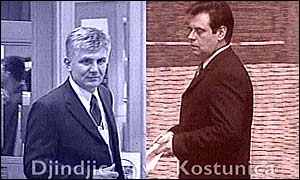 Despite Kostunica's title, Djindic wields the real power
One you see in the nightclubs of the capital Belgrade - trendy, cool, Western looking. I spoke to one woman in a club called Bus. A student, taking time out from the dance floor. "Young people want to be part of Europe, but they don't have the possibility," she said.
Then again, head for the countryside, where the majority of people in this country live, and you come across a different perspective. The people there realise Serbia has a part to play in developing ties with Western Europe, but they don't want to abandon the past. Theirs is a more traditional, moderate nationalism. It's a split played out every day in the political battle between the Serbian Prime Minister Zoran Djindjic and the Yugoslav President Vojislav Kostunica. Personal spats Mr Djindjic embraces Western Europe. President Kostunica preaches a more traditional, moderate nationalism. And the arguments often seem on the surface, at least, personal. The most recent, a spat over the sacking of the army's chief of staff, has led to allegations by both of spying and phone tapping. But why the disagreements?
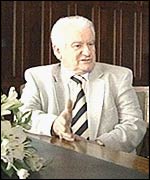
Well, Mr Kostunica may be the overall leader on paper, but the Serbian Prime Minister Zoran Djindjic, as the leader of the dominant republic in the federation, is the one with the real power. On the other hand, the polls consistently put President Kostunica well ahead. So, President Kostunica feels frustrated since he cannot influence the direction Serbia is going, and Mr Djindjic feels threatened by the president's relative popularity. At a recent meeting with the president, I felt he seemed a little tired, and perhaps a bit preoccupied. Time is running out for Mr Kostunica - he will almost certainly be Yugoslavia's last president. The federation is due to be replaced by a union between its two remaining republics at the end of this year. Feuding Do you like Zoran Djindjic? I asked him. "It is not a question of like or dislike," he replied. "It's just a matter of different, for me very different approaches to politics." The man who led both as they took their early political steps, is Dragoljub Micunovic.
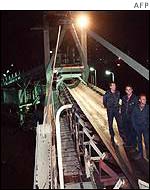
"Maybe tradition has something to do with their feud. Political co-habitation is difficult here. We don't have a history of democracy, so there's always been a need for a strong man, a strong leader," he says. "Many politicians find it hard to compromise, and soon they get into battles with one another." Does the feud have knock-on effects for Serbia? I ask. "In a way it's discouraging for our investors, and the picture and image of Serbia as a politically stable country." Missed opportunities But the effects run wider than that according to some. An hour south-west of Belgrade, the Kolubara mine supplies Serbia with much of its power. The men here helped President Kostunica and Mr Djindjic take control, leading the protests that turned the country against the former president Slobodan Milosevic.
Jovan Simic, an engineer, tells me: "Their fighting is slowing down the changes we expected. It's like a personal conflict. It makes them care about themselves more than they care about those changes which are important for ordinary people." Gearing up for election Some though see it differently. Stevan Niksic, the editor of one of Belgrade's news weeklies, Nin, says that what the media represents as a feud, is little more than politics. It's just two men, jostling for power, he argues, as any politicians in a democracy do. "Kostunica is his own worst enemy, and Djindjic is his own worst enemy," he says.
Next Monday sees the official start to campaigning for the Serbian presidential elections. So far, just one man, an economist-turned-politician, has put his name forward for the post. But what everyone wants to know in Belgrade is whether Mr Kostunica might run. He told me he hasn't yet decided, that he will leave it until the last minute. If he does, and if he were to win, which the polls suggest is possible, it would put him in immediate competition with his main political foe. And if that happened, there would be a real fight over which how fast and how much this country of 10 million integrates with the rest of Europe. | | See also:  18 Jul 02 | Europe 12 Jun 02 | Europe 07 Jun 02 | Europe 25 May 02 | Europe 14 Mar 02 | Europe 18 Aug 01 | Europe Internet links: The BBC is not responsible for the content of external internet sites Top Europe stories now: Links to more Europe stories are at the foot of the page. | ||||||||||||||||||||||||||||||||||||||||||||||||||||||||||||||||||||||||||||||||||||||||||||||||||||||||||||||||||||||||||||||||||||||||||||||||||||||||||||||||||||||||||||
| |
|  E-mail this story to a friend E-mail this story to a friend |
| |
| Links to more Europe stories |
| | | ||
 | ||||
 | | Back to top
| ||
| ---------------------------------------------------------------------------------- To BBC Sport>> | To BBC Weather>> | To BBC World Service>> ---------------------------------------------------------------------------------- © MMIII | News Sources | Privacy |