|
 |
 | | | | | | ||||||||||||||||||||||||||||||||||||||||||||||||||||||||||||||||||||||||||||||||||||||||||||||||||||||||||||||||||||||||||||||||||||||||||||||||||||||||||||||||
| | | You are in: Europe | ||||||||||||||||||||||||||||||||||||||||||||||||||||||||||||||||||||||||||||||||||||||||||||||||||||||||||||||||||||||||||||||||||||||||||||||||||||||||||||||||||
|
| | Saturday, 25 May, 2002, 15:23 GMT 16:23 UK Serbia political crisis deepens Nearly half of the sacked MPs are from Kostunica's party Serbia's political crisis has deepened with a key member of the governing coalition threatening to leave parliament and set up a shadow government. The decision by the Democratic Party of Serbia (DSS) of Yugoslav President Vojislav Kostunica comes after the governing DOS coalition decided to expel 50 of its MPs for failing to attend parliamentary debates.
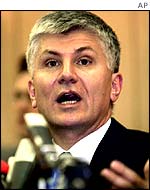
After a meeting on Saturday, the party's deputy chairman, Dragan Marsicanin, said the DSS would challenge the "illegal move" in court. The Serbian media is portraying the crisis as part of the continuing power struggle between Mr Kostunica - a moderate nationalist - and the more pro-Western Prime Minister, Zoran Djindjic. Mr Djindjic heads the largest group in the 18-party ruling coalition, and would have had some influence on the decision to expel the MPs, says the BBC's correspondent in Belgrade, Matthew Price. Leaders of the coalition say the frequent failure of deputies to attend debates has delayed the adoption of important reform laws. Impact of crisis Mr Marsicanin said party members would also pull out of government boards and executive committees of state-owned companies. "We shall form a shadow government by ourselves," he said. "Our goal is early republican elections and the setting up of a democratic state ruled by law," Mr Maricanin added.
Mr Djindjic, who has supported the expulsions, has also said early elections are possible - if the DOS expulsions did not work and parliament could not function due to the lack of a quorum. But he said he was positive that the move would work. "This warning... will present many people with a clear choice that they should still give up the other jobs they have as municipal heads or executives at companies and realise that the job of an assembly deputy is a great privilege today in Serbia, and not some sort of routine job". Crucial Any major political upheaval in Serbia at this moment could potentially be very damaging, our correspondent says. Crucial talks are continuing between the Serbian, Montenegrin and Yugoslav parliaments over the formation of a new union. Members of Mr Kostunica's party had been accused more than most of attempting to obstruct the work of the parliament, and it had been predicted that the party as a whole could be forced out. But Mr Djindjic, currently lagging in the polls, is said to be keen to avoid early elections. | | See also:  20 Mar 02 | Media reports 16 Mar 02 | Europe 15 Mar 02 | Europe 15 Mar 02 | Europe 14 Mar 02 | Europe 17 Dec 01 | Europe Internet links: The BBC is not responsible for the content of external internet sites Top Europe stories now: Links to more Europe stories are at the foot of the page. | ||||||||||||||||||||||||||||||||||||||||||||||||||||||||||||||||||||||||||||||||||||||||||||||||||||||||||||||||||||||||||||||||||||||||||||||||||||||||||||||||
| |
| Links to more Europe stories |
| | | ||
 | ||||
 | | Back to top
| ||
| ---------------------------------------------------------------------------------- To BBC Sport>> | To BBC Weather>> | To BBC World Service>> ---------------------------------------------------------------------------------- © MMIII | News Sources | Privacy |