|
 |
 | | | | | | |||||||||||||||||||||||||||||||||||||||||||||||||||||||||||||||||||||||||||||||||||||||||||||||||||||||||||||||||||||||||||||||||||||||||||||||||||||||||||||||||
| | | You are in: Europe | |||||||||||||||||||||||||||||||||||||||||||||||||||||||||||||||||||||||||||||||||||||||||||||||||||||||||||||||||||||||||||||||||||||||||||||||||||||||||||||||||||
|
| | Friday, 12 July, 2002, 16:16 GMT 17:16 UK Spain rattles sabre at Morocco 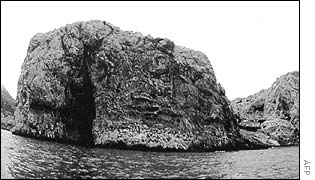 Perejil island is 200 metres from the Moroccan mainland Spain has reinforced its military presence on the Chafarinas Islands off the coast of Morocco amid growing tensions over another island.
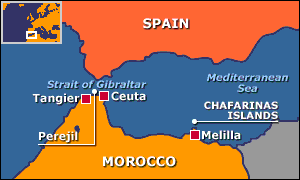
Spain's Interior Minister Mariano Rajoy said additional soldiers were deployed after a Moroccan patrol boat was spotted near the Chafarinas, three islands which lie east of the Spanish enclave of Melilla and have been under Madrid's control since 1847. Click here for a map of the area Morocco had earlier rejected Spanish demands to withdraw a group of soldiers from the disputed islet of Perejil - which Morocco calls Leila - which lies to the north-west of the Spanish enclave of Ceuta. The troops landed on the islet - the size of a football pitch - and raised two flags there. Rabat said the soldiers were setting up an observation post on the islet to help combat terrorism and illegal immigration, and had "every right" to be there. 'Worrying' This is the latest in a series of spats between the two countries in recent months, which have raised tensions and led to Morocco withdrawing its ambassador from Madrid.
Perejil, which is just 200 metres from the Moroccan mainland and lies within its territorial waters, remains disputed between the two sides. The Spanish statement said Morocco's move was "a modification of the status-quo and did not correspond to the wish to maintain friendly relations between the two countries". While calling for calm, the Spanish foreign minister described it as "a serious and worrying incident". The European Union condemned the presence of the Moroccan troops on the islet, but refused to get directly involved in what it saw as a bilateral dispute. "This is clearly a regrettable incident. It constitutes a violation of Spanish territory," European Commission spokesman Gunar Wiegand said. A senior Moroccan official told the Spanish news agency, EFE, that since the 1970s Moroccan troops had sometimes entered the area for security reasons, and that there had not been a Spanish presence there since 1956. Further disputes Under a 1956 agreement, Spain has kept the coastal enclaves of Ceuta and Melilla, which it had held for centuries. But Morocco strongly disputes Spanish control over several rocky islands. Other issues of major dispute between the two countries include clandestine immigration to Spain from Morocco's coastline and the non-renewal of a European Union fishing accord with Morocco. The two countries also have differences over Western Sahara and more recently regarding the prospecting for oil off the Spanish Canary Islands in the north Atlantic. Last week, the Moroccan foreign minister also protested to Spain about the deployment of five Spanish naval warships close to its coast. | | See also:  12 Jul 02 | Europe 13 Jul 02 | Media reports 28 May 02 | Europe 17 Dec 01 | Europe 22 Aug 01 | Europe Internet links: The BBC is not responsible for the content of external internet sites Top Europe stories now: Links to more Europe stories are at the foot of the page. | |||||||||||||||||||||||||||||||||||||||||||||||||||||||||||||||||||||||||||||||||||||||||||||||||||||||||||||||||||||||||||||||||||||||||||||||||||||||||||||||||
| |
|  E-mail this story to a friend E-mail this story to a friend |
| |
| Links to more Europe stories |
| | | ||
 | ||||
 | | Back to top
| ||
| ---------------------------------------------------------------------------------- To BBC Sport>> | To BBC Weather>> | To BBC World Service>> ---------------------------------------------------------------------------------- © MMIII | News Sources | Privacy |