|
 |
 | | | | | | ||||||||||||||||||||||||||||||||||||||||||||||||||||||||||||||||||||||||||||||||||||||||||||||||||||||||||||||||||||||||||||||||||||||||||||||||||||||
| | | You are in: Business | ||||||||||||||||||||||||||||||||||||||||||||||||||||||||||||||||||||||||||||||||||||||||||||||||||||||||||||||||||||||||||||||||||||||||||||||||||||||||
|
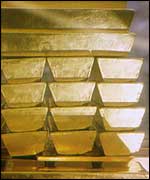
| | Tuesday, 11 February, 2003, 13:44 GMT Experts tackle terrorist funds  Authorities are now tracking rather than seizing funds
Officials from central banks and financial authorities around the world are meeting in Paris to review progress made in the crackdown on terrorist financing.
The Philippines government is making a last-minute attempt to pass money-laundering laws in order to avoid economic sanctions. The territories have until 12 February to make the necessary reforms or face being added to a black-list. More action needed The OECD's Financial Action Task Force (FATF) has taken big steps towards identifying where money laundering occurs. It has also been central to developing rules and new laws in places like Russia and South Africa, where the issue of financial crime and money laundering needed greater regulation. But it is clear that a lot still needs to be done to understand and control terrorist funds. Knee-jerk reaction? Following the September 11 attacks on the United States, the news was full of stories of bank accounts being frozen and Islamic charities being investigated. But since then only $113 million in 160 countries has been seized. Some analysts now feel that such a move was a knee-jerk reaction and achieved little in finding out where the funds came from and where they went or what they were used for. The trend now seems to be to track the money. Tracking down Intelligence agencies are still trying to disentangle the links between individuals and organisations as well as identify their sources of funding. Last December the United Nations reported that al-Qaeda operates a large portfolio of seemingly legitimate businesses in the Middle East and Africa worth between $30m and $300m.
What makes such operations difficult to investigate is their use of sophisticated and complex ways of legitimising illegal assets. For a number of years supplying money without a paper trail has been possible through non-traditional banking methods. Money laundering expert Peter Lilley says that while banking in general can be regulated, that can do little to stop terrorism and organised crime. "Evidence shows that organised crime moved out of the banking sector a long time ago and terrorist money has followed... they are now using such mechanisms as the diamond market, gold, precious metals and the internet to launder funds," he said. "So laundering has gone way beyond just the banking system. Both FATF and the US government, for example, have been trying to regulate hawala banking, the informal money transfer system used widely in the Middle East and Asia. But Mr Lilley says it is virtually impossible to effectively regulate hawala banking and the transfer of money through the commodities markets. Surprise omissions The FATF has compiled a list of countries where the agency is trying to secure changes in the law aimed at controlling money laundering. But, according to Peter Lilley, there are some surprising omissions such as Iran, Iraq and North Korea, the three countries accused by the US of being an axis of evil. "One could argue that those countries are completely off the radar screen altogether, and nobody would deal with them," he said, adding that these countries ought to be blacklisted. Just how much the investigations of organisations like the FATF have revealed is unclear. But with large amounts of money moving unhindered around the globe, the results of careful monitoring and better law enforcement could prove invaluable. | | See also:  20 Dec 02 | Business 17 Dec 02 | Asia-Pacific 04 Nov 02 | Business 11 Oct 02 | Europe 03 Sep 02 | Business 26 Jul 02 | Business 05 Jul 02 | Business 18 Mar 02 | Business Top Business stories now: Links to more Business stories are at the foot of the page. | ||||||||||||||||||||||||||||||||||||||||||||||||||||||||||||||||||||||||||||||||||||||||||||||||||||||||||||||||||||||||||||||||||||||||||||||||||||||
 | |
|  E-mail this story to a friend E-mail this story to a friend |
| |
| Links to more Business stories |
| | | ||
 | ||||
 | | Back to top
| ||
| ---------------------------------------------------------------------------------- To BBC Sport>> | To BBC Weather>> | To BBC World Service>> ---------------------------------------------------------------------------------- © MMIII | News Sources | Privacy |