|
 |
 | | | | | | ||||||||||||||||||||||||||||||||||||||||||||||||||||||||||||||||||||||||||||||||||||||||||||||||||||||||||||||||||||||||||||||||||||||||||||||||||||||||||||||
| | | You are in: Business | ||||||||||||||||||||||||||||||||||||||||||||||||||||||||||||||||||||||||||||||||||||||||||||||||||||||||||||||||||||||||||||||||||||||||||||||||||||||||||||||||
|
| | Monday, 18 March, 2002, 08:05 GMT The hunt for terror funds hots up 
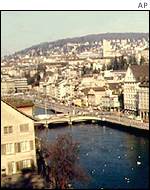
 With about a third of the private banking deposits in the whole world resting in the coffers of its banks, and a reputation for financial discretion second to none, the bad rap is inescapable. The upshot is that in recent years Switzerland has been determined to be seen to clean up its image. When the billions stolen by Nigeria's late dictator Sani Abacha were being traced, Swiss regulators financiers were - to the surprise of many - much keener than their London colleagues to root them out, and to make the whole story as public as possible.
But even that apparent determination had its weaknesses. Earlier the same year, the chief executive of the main national anti-money laundering body resigned along with his deputy, frustrated at a backlog of more than 500 cases, a critical shortage of staff and resources, and the lack of sufficient powers to do the job. Before and after A similar situation has prevailed in most of the world's money laundering centres. Three independent experts contacted by BBC News Online agreed that even taking into account the huge difficulties faced by law enforcement and regulators in tracking money launderers, many governments have proved half-hearted at best when stumping up the necessary funding. British policemen, both serving and ex-officers working in financial intelligence, have complained to BBC News Online that interdiction of money laundering has been about style rather than substance. And despite having by far the biggest and most effective operation in the world, even the US has often found itself facing a huge and unmanageable mound of suspicious transaction reports.
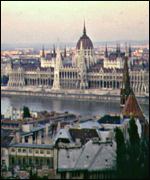
Regulators and law enforcement saw their needs shoot up the official priority lists as the hunt for terrorist finance - until then something of a backwater - took on a new urgency. Hungary, which had hitherto been dragging its feet about scrapping its system of bank accounts with anonymous passbook, ditched it almost overnight. The UK's National Crime Squad now has a national head of financial intelligence - a task that previously was devolved to the regional crime squads and the 40-plus individual police forces, who were ill-equipped to handle the investigations.. In the US, a multi-agency team of 30 people, led by an expert from the Customs Service, has traced the finances of virtually everyone directly implicated in the 11 September atrocity. The USA PATRIOT Act both awarded new money to the task at hand and updated general US anti-money laundering legislation, which - surprisingly - was some way below international standards. Small office, big job For Patrick Moulette, executive secretary of the small group charged by industrialised countries with the job of overseeing international money laundering policy, the outcome was a workload which doubled overnight. "The consequences (of 11 September) have changed our lives," he told BBC News Online. His tiny office on the first floor of a converted apartment block in western Paris became the focus for drawing up new advice for law enforcement and the financial sector in how to spot money destined to fund terrorism. The Financial Action Task Force, as his group is known, has spent the past six months shaping eight new recommendations, getting the 30-odd member states to assess how their procedures stood up to them, and getting plans written to bring everyone - including about 60 non-members - up to spec by June this year. "The political pressure is much higher than ever," he said.
"There was a short debate - a very short debate - on whether a new organisation was needed. "But although terrorist finance is not the same as money laundering, it's close, and there was the risk of duplicating expertise, authority and credibility", says Mr Moulette. The speed with which countries around the world have been galvanised is reflected in a United Nations convention little-known before 11 September. Before then, the UN Convention on Suppressing the Financing of Terrorism had been ratified by just four countries. Now dozens have put the wheels in motion to sign up - including such unlikely candidates as North Korea. Named and shamed The lists of territories and countries deemed to be "non-cooperative" - including the Philippines, when it comes to money laundering - have taken on a new meaning, too. While Mr Moulette is at pains to point out that the lists it has been publishing for a decade are about money laundering, rather than terrorist finance, the new linkage means that the chances of meaningful sanctions against such transgressors have improved dramatically.
Just one of the ways, he said, that the push against terrorist finance is helping the anti-money laundering campaign - although there remains the risk that it will get pushed down the queue. "I hope the trend (of delivering a higher profile) will continue - although we must remember that the two things are not always the same," he said. "It would be very dangerous to forget the pre-existing issues." Slow progress But even with the new publicity, the added impetus, the avowed determination at the highest levels of national and international government, there are still big problems to surmount. For the FATF, the promised new resources have yet to materialise. There are only five staff, including two secretaries and Mr Moulette himself, and while the members have committed new funds, there is little sign of their arrival just yet. The same hurdles have been found in many individual countries. The will may be there, but the political wheels grind slow. "When I talk to people, we all have the same impression: we are much more busy, but support from governments and the various international organisations has been slow," he said." "I hope this is just a temporary thing. After all, we can't exactly work to rule." | |
Top Business stories now:  Links to more Business stories are at the foot of the page. | ||||||||||||||||||||||||||||||||||||||||||||||||||||||||||||||||||||||||||||||||||||||||||||||||||||||||||||||||||||||||||||||||||||||||||||||||||||||||||||||
|  |
|  E-mail this story to a friend E-mail this story to a friend |
 | |
| Links to more Business stories |
| | | ||
 | ||||
 | | Back to top
| ||
| ---------------------------------------------------------------------------------- To BBC Sport>> | To BBC Weather>> | To BBC World Service>> ---------------------------------------------------------------------------------- © MMIII | News Sources | Privacy |






 The consequences (of 11 September) have changed our lives