|
 |
 | | | | | | |||||||||||||||||||||||||||||||||||||||||||||||||||||||||||||||||||||||||||||||||||||||||||||||||||||||||||||||||||||||||||||||||||||||||||||
| | | You are in: Business | |||||||||||||||||||||||||||||||||||||||||||||||||||||||||||||||||||||||||||||||||||||||||||||||||||||||||||||||||||||||||||||||||||||||||||||||
|
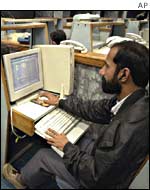
| | Monday, 20 January, 2003, 18:02 GMT IMF praise for Pakistan  Textile exports are vital for Pakistan's economy Pakistan's economic reform programme will stay on track, the new civilian government has promised the International Monetary Fund (IMF).
In return, Pakistan could soon receive $115m (�71.4m) - part of a $1.31bn IMF loan to reduce poverty. The money began to flow two years ago.
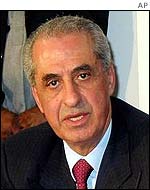
He added: "We have begun to think of Pakistan as a country of promise and a country of potentially high rate of growth." Taking stock Mr Abed's visit to Pakistan is the first by the IMF since the military handed power back to a civilian government two months ago. Listing Pakistan's achievements over the past three years, Mr Abed said inflation had been brought under control and interest rates had been cut, while a falling budget deficit and rising foreign exchange reserves were now at a "comfortable level".
Inflation is currently running at 3.6% a month, lending rates stand at 11%, and central bank reserves have jumped from $600m in 1999 to $9.4bn this month. The government has also said that it will meet this year's target for a 4.6% budget deficit. Not everyone agrees, though. Last Friday the Asian Development Bank warned that while tax revenues were on track, government spending was rising too fast. This could make it "difficult to achieve the fiscal deficit target". Question mark over meddling The IMF had supported the military government of General Musharraf with a massive loan programme, but had tied further payments to the direction the economic policy of the new civilian government would take. In February the IMF will decide whether to keep the money flowing, and the recommendations in Mr Abed's report will be the key factor in making the decision. However, Mr Abed expressed concern about a recent intervention by the Prime Minister who, in December, cut electricity prices without first consulting the country's energy regulator. Mr Abed said he was sure the role of the regulators would be strengthened. Middle East worries Pakistan's economic recovery, however, could be hit by a war against Iraq, Mr Abed warned. Military action in the Gulf would trigger inflation, push up the price of oil and hit tourism in the region, said Mr Abed. "War is not good, and we hope it can be avoided." The Pakistani government, for its part ,says it has drawn up economic contingency plans to cope with a crisis. The measures include maintaining an emergency oil reserve. | | See also:  15 Jan 03 | Business 30 Dec 02 | Business 12 Dec 02 | Business Internet links: The BBC is not responsible for the content of external internet sites Top Business stories now: Links to more Business stories are at the foot of the page. | |||||||||||||||||||||||||||||||||||||||||||||||||||||||||||||||||||||||||||||||||||||||||||||||||||||||||||||||||||||||||||||||||||||||||||||
 | |
|  E-mail this story to a friend E-mail this story to a friend |
| |
| Links to more Business stories |
| | | ||
 | ||||
 | | Back to top
| ||
| ---------------------------------------------------------------------------------- To BBC Sport>> | To BBC Weather>> | To BBC World Service>> ---------------------------------------------------------------------------------- © MMIII | News Sources | Privacy |




 We have begun to think of Pakistan as a country of promise and a country of potentially high rate of growth