
|
 |
 | | | | | | ||||||||||||||||||||||||||||||||||||||||||||||||||||||||||||||||||||||||||||||||||||||||||||||||||||||||||||||||||||||||||||||||||||||||||
| | | You are in: Business | ||||||||||||||||||||||||||||||||||||||||||||||||||||||||||||||||||||||||||||||||||||||||||||||||||||||||||||||||||||||||||||||||||||||||||||
|
| | Thursday, 12 December, 2002, 13:53 GMT Pakistan gets economic boost 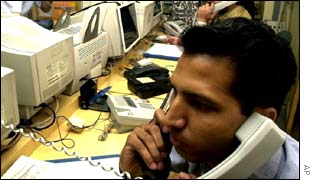 Foreign exchange reserves are at an all-time high Pakistan's stock with the international financial community has gone up a notch, improving its chances of securing much-needed inward investment. The good news comes in the form of an upgrade from credit rating agency Standard & Poor's, which on Thursday announced it was taking a more positive view of Pakistan. Successful negotiations to reschedule $12.5bn (�7.9bn) in external debt mean the country has bigger foreign exchange reserves, which hit an all-time high of $9.01bn in late November. On top of that, more and more money from overseas is passing through the mainstream banks rather than through informal channels, S&P said. That could boost confidence among foreign investors and lead to more investment, according to analysts. Progress S&P's decision to upgrade Pakistan's debt marks a turnaround in the country's fortunes. Only a few years ago Pakistan's tax collection was a shambles, its finances riddled with corruption and its debt out of control. There is still a shortfall in tax income, but overt corruption has been checked in the three years since the coup which installed General Pervez Musharraf as president. More importantly, his decision to side with the US in its "War on Terror" - much to the displeasure of many Pakistanis - has paid dividends in the shape of International Monetary Fund payouts and debt talks. Two thirds of Pakistan's debt has now been rescheduled over 38 years with a 15-year grace period. The rest now has a 23-year schedule with a five-year grace period. Its rating now betters that of Turkey, Uruguay and Venezuela, and is on a level with Ukraine's. | | See also:  23 Nov 02 | South Asia 21 Nov 02 | South Asia 21 Nov 02 | South Asia Internet links: The BBC is not responsible for the content of external internet sites Top Business stories now: Links to more Business stories are at the foot of the page. | ||||||||||||||||||||||||||||||||||||||||||||||||||||||||||||||||||||||||||||||||||||||||||||||||||||||||||||||||||||||||||||||||||||||||||
| |
|  E-mail this story to a friend E-mail this story to a friend |
| |
| Links to more Business stories |
| | | ||
 | ||||
 | | Back to top
| ||
| ---------------------------------------------------------------------------------- To BBC Sport>> | To BBC Weather>> | To BBC World Service>> ---------------------------------------------------------------------------------- © MMIII | News Sources | Privacy |



