
|
 |
 | | | | | | ||||||||||||||||||||||||||||||||||||||||||||||||||||||||||||||||||||||||||||||||||||||||||||||||||||||||||||||||||||||||||||||||||||||||||||||||||
| | | You are in: Business | ||||||||||||||||||||||||||||||||||||||||||||||||||||||||||||||||||||||||||||||||||||||||||||||||||||||||||||||||||||||||||||||||||||||||||||||||||||
|
| | Monday, 2 December, 2002, 10:51 GMT City watchdog answers your questions 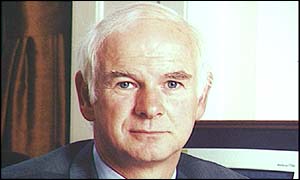 Sir Howard Davies: Keeping a close eye on the housing market As the Financial Services Authority celebrates its first anniversary, chairman Sir Howard Davies, answers readers' questions, in the first of a two part series. What is the worst-case scenario for the current housing market boom? If home prices were to fall and interest rates to rise simultaneously, that could cause problems. We have no way of forecasting whether or not that will happen, but we do keep a close eye on the housing market as the loan portfolios of banks and building societies we regulate are exposed to market developments in this area.
We have been particularly looking at those providers who have a high concentration in the riskier areas of the market, for example, where there is combination of high loan-to-value and high-income- multiple lending. Interest rates are currently low by historical standards and mortgage loans arrears are also low. Moreover, the bigger providers have diversified portfolios which would help to sustain them against a housing market downturn. We will continue to keep a close watch on this area and we have warned consumers about the dangers of over-extending themselves at a time when the market may be near a peak. The FSA became responsible for tackling money laundering last year, so when are we going to see a bank or institution prosecuted? We have worked very hard with the industry over the past year to raise awareness of money laundering, and to ensure the UK financial system is at the forefront of international best practice on preventing money laundering and the financing of terrorism. This involves more than just enforcement action, although we won't hesitate to take action in cases of serious breach.
In addition to introducing regulatory rules, we have held workshops across the country and hosted terrorist finance seminars here at the FSA. We have made a series of money laundering inspection visits to domestic and international banks in the UK, independent financial advisers, online stockbrokers, and spread betting companies, and reported back publicly on improvements which could be made to their anti-money laundering systems. And the response from the industry has been constructive and helpful. But we will also take enforcement action in the more serious cases where firms fall below our systems and controls and other requirements in this area. Why was the FSA so slow to react to the split capital investment trust scandal? The government did not give us powers to regulate investment trusts - they're companies, just like, say, British Telecom, so we have no authority over the way they invest or whether they borrow money.
The reason I mention this is that if you look at the relatively small percentage of splits that have failed, you see that they have a combination of very high borrowings and a cross-investment in other split capital trusts. No regulator could have prevented that. Where we do have some powers, and responsibilities, is over the way in which they are sold and we have already announced that we began inquiries into allegations that some of the marketing material was misleading as soon as it became clear that there were problems. We are investigating the allegations that there was collusion between fund managers. One common feature of recent financial scandals is the role of commission. Yet, it is not possible to find out which intermediaries have given biased advice in the past. Should the FSA publish a list of advisers that have given biased advice in the past? Certainly there are clear indications that commission hunger has played a part in some of the mis-selling episodes - and where we have taken enforcement action against insurance companies and individuals in the past this is a matter of public record so names, in that sense, are published.
Often, part of our disciplinary action is to require the firms involved to put right the problems that caused the mis-selling. If this is done, then I don't think there would be any benefit to consumers in publishing a list of "past offences". Obviously, if we felt that a firm or individual had transgressed so badly that we could not trust them to sell to customers in the future; we would remove their authorisation so that they could not carry on operating. Our principal objective, of course, is to ensure that any consumer who suffers financial loss as a result of mis-selling receives appropriate redress. Often we require firms to compensate their customers as part of disciplinary action that we take against them. In other cases this can be achieved through the combination of the Financial Ombudsman Service and, in some circumstances, the Financial Services Compensation Scheme. On the last point, our website records the disciplinary action taken against authorised firms. | | See also:  29 Nov 02 | Business 22 Nov 02 | Business 20 Nov 02 | Business 21 Nov 02 | Business 01 Dec 01 | Business Internet links: The BBC is not responsible for the content of external internet sites Top Business stories now: Links to more Business stories are at the foot of the page. | ||||||||||||||||||||||||||||||||||||||||||||||||||||||||||||||||||||||||||||||||||||||||||||||||||||||||||||||||||||||||||||||||||||||||||||||||||
| |
|  E-mail this story to a friend E-mail this story to a friend |
| |
| Links to more Business stories |
| | | ||
 | ||||
 | | Back to top
| ||
| ---------------------------------------------------------------------------------- To BBC Sport>> | To BBC Weather>> | To BBC World Service>> ---------------------------------------------------------------------------------- © MMIII | News Sources | Privacy |





