|
 |
 | | | | | | ||||||||||||||||||||||||||||||||||||||||||||||||||||||||||||||||||||||||||||||||||||||||||||||||||||||||||||||||||||||||||||||||||||||||||||||||||||||||||||||||||||||||||||||||
| | | You are in: Business | ||||||||||||||||||||||||||||||||||||||||||||||||||||||||||||||||||||||||||||||||||||||||||||||||||||||||||||||||||||||||||||||||||||||||||||||||||||||||||||||||||||||||||||||||||
|
| | Friday, 22 November, 2002, 14:22 GMT Northern Ireland: Global economic woes 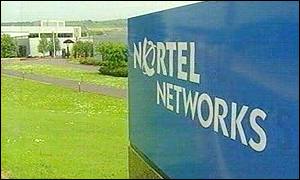 More than 1,000 jobs have gone from the Nortel plant
The Northern Ireland economy has come a long way in the last decade. But like other regions of the United Kingdom, it has felt the chill of international economic conditions in the last two years. The changing fortunes are reflected in the Province's unemployment figures. Unemployment in Northern Ireland was traditionally the highest in the UK, peaking at 17% in the late 1980s.
There are now parts of the Province beginning to feel real pressure in recruiting labour, and some employers using migrant workers to fill low paid jobs. Slowdown However while the jobless total fell sharply throughout most of the nineties, that decrease has now slowed dramatically, with the number of people out of work similar to a year ago.
The three big industries are clothing and textiles, food processing and engineering. The first two of those in particular have felt the pressures of globalisation on low margin industries. Engineering difficulties have been compounded by the technology downturn that has hit the IT and telecoms sectors which had previously been growing rapidly. Specifically, the problems faced by the huge Canadian telecoms company Nortel have hit the region hard. House prices More than 1,000 jobs have gone at the firm's plant near Belfast, which was the flagship of the local technology sector, while at least 1,000 further jobs have been lost at Nortel's suppliers. On top of that close to 2,000 jobs have been lost at the Province's biggest company, Shorts. Its Canadian parent company Bombardier has been hit by the aerospace downturn following 11 September. More positively the service sector remains strong, while the size of the public sector and its payroll have helped sustain the consumer economy. While house prices have risen sharply and caught up with regions such as Scotland and the north of England, low interest rates have helped keep housing affordable. Gap with rest of UK Despite the progress of recent years Northern Ireland continues to have significant economic challenges. Wages remain significantly below the UK average (88%), as does GDP per capita (80%). The low level of new business start-ups worry local policymakers, as does the skills levels of certain sections of the workforce. However possibly the most significant shift of the last decade is that the region's economic fortunes are determined less by the political and security situation than at any point for a generation. One question being asked now is what impact any period of sustained instability could have on the years to come. | |
See also:  07 Nov 02 | Business Day 01 Jun 02 | N Ireland 11 Oct 01 | N Ireland 06 Oct 00 | N Ireland Internet links: The BBC is not responsible for the content of external internet sites Top Business stories now: Links to more Business stories are at the foot of the page. | ||||||||||||||||||||||||||||||||||||||||||||||||||||||||||||||||||||||||||||||||||||||||||||||||||||||||||||||||||||||||||||||||||||||||||||||||||||||||||||||||||||||||||||||||
| |
|  E-mail this story to a friend E-mail this story to a friend |
| |
| Links to more Business stories |
| | | ||
 | ||||
 | | Back to top
| ||
| ---------------------------------------------------------------------------------- To BBC Sport>> | To BBC Weather>> | To BBC World Service>> ---------------------------------------------------------------------------------- © MMIII | News Sources | Privacy |