
|
 |
 | | | | | | ||||||||||||||||||||||||||||||||||||||||||||||||||||||||||||||||||||||||||||||||||||||||||||||||||||||||||||||||||||||||||||||||||||||||||
| | | You are in: Business | ||||||||||||||||||||||||||||||||||||||||||||||||||||||||||||||||||||||||||||||||||||||||||||||||||||||||||||||||||||||||||||||||||||||||||||
|
| | Monday, 4 November, 2002, 13:22 GMT India plans radical tax overhaul 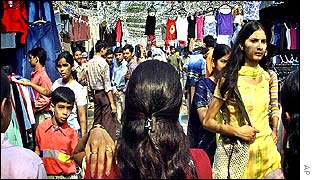 The average Indian taxpayer should be better off The Indian government has proposed sweeping reforms that could slash the corporate tax burden and leave three-quarters of current taxpayers no longer liable to pay. The ideas are the brainchild of a commission - led by Vijay Kelkar, an advisor to Finance Minister Jaswant Singh - charged with finding ways to simplify India's notoriously tortuous tax system. The commission's key proposals include a rise in the personal tax-exemption limit from the current 50,000 rupees (�660; $1,030) to 100,000 rupees, and tax exemptions on some dividends and capital gains. As 75% of India's 25 million taxpayers declare income of less than 100,000 rupees a year, the recommendation would free them from direct taxation. The reform proposals would save Indian business up to 700bn rupees a year. The Kelkar proposals will be considered in the drawing up of India's 2003/04 budget, which is to be presented in February next year. Quality, not quantity It is not yet clear what India's overall budget position would be, if the Kelkar recommendations were implemented in full. The Indian government needs to raise overall tax revenues, since its public deficit is running at more than 11% of annual economic output - a high level by international standards. But raising taxes would slow the already stumbling economy, and may dissuade investors, who are already nervous of operating conditions on the Indian market. As a result, the Kelkar report - combined with a previous set of proposals on indirect taxes such as sales tax - aims to reduce headline rates, while tightening up on the vast array of exemptions and loopholes in the system. Best practice Very few goods would be exempt from sales tax or customs duty, and companies will find it harder to engineer ways around corporate income tax, the report said. At the same time, the government plans to step up its battle against tax evasion, which is rampant in India. Overall, such tightening up should more than compensate for the lowering of the tax burden, the commission calculated. The commission said its hope was to bring Indian taxation into line with international best practice - something that may help stimulate inflows of foreign direct investment. Earlier this year, the International Monetary Fund argued that the Indian economy was growing too slowly to reduce poverty, or to chip away at its mountainous state debt. | | See also:  29 Oct 02 | Business 28 Oct 02 | Business 24 Oct 02 | Business 30 Sep 02 | Business 29 Aug 02 | Business 01 Jul 02 | Business Internet links: The BBC is not responsible for the content of external internet sites Top Business stories now: Links to more Business stories are at the foot of the page. | ||||||||||||||||||||||||||||||||||||||||||||||||||||||||||||||||||||||||||||||||||||||||||||||||||||||||||||||||||||||||||||||||||||||||||
| |
|  E-mail this story to a friend E-mail this story to a friend |
| |
| Links to more Business stories |
| | | ||
 | ||||
 | | Back to top
| ||
| ---------------------------------------------------------------------------------- To BBC Sport>> | To BBC Weather>> | To BBC World Service>> ---------------------------------------------------------------------------------- © MMIII | News Sources | Privacy |



