|
 |
 | | | | | | |||||||||||||||||||||||||||||||||||||||||||||||||||||||||||||||||||||||||||||||||||||||||||||||||||||||||||||||||||||||||||||||||||||||||||||||||||||||||||
| | | You are in: Business | |||||||||||||||||||||||||||||||||||||||||||||||||||||||||||||||||||||||||||||||||||||||||||||||||||||||||||||||||||||||||||||||||||||||||||||||||||||||||||||
|
| | Friday, 13 September, 2002, 10:03 GMT 11:03 UK China's housing revolution 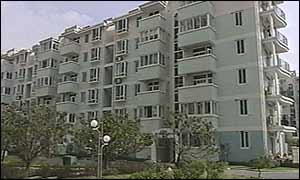 This development will include 500 flats
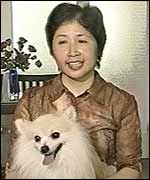
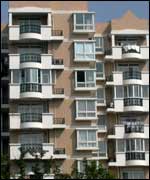
It is in an apartment block in a suburb of Shanghai and cost �34,000 - though in more remote regions it would sell for less than �10,000. Hong Yan is delighted by the extra room to store their possessions and by the block's pleasant environment. For them it represents a move into the new property-owning middle class that's emerging in China.
People now have to pay for their own medical insurance and pensions as well. Until very recently, working for a government factory or organisation would usually mean all your needs were met. Your employer might provide accommodation in apartments it had built or buy a flat of your choice.
But more people are having to fend for themselves these days, living with their families or venturing into the private sector to rent or buy. Four years ago, the government decided the way out of its housing problem was for people to own their homes. "Housing is a consumer product, not a welfare product," said a government housing minister. Instead of paying regular welfare, it decided to give support towards property purchases. For those with lots of savings but not much to spend it on, buying a flat seemed a good idea. Those who did not want to faced rent increases. Private developers Now the skies of Shanghai, China's biggest city, are pierced by new high-rise blocks of apartments. Most are built by private developers, a new trend in the country. Homebuyers must put down a 20% deposit and take out a mortgage from the bank.
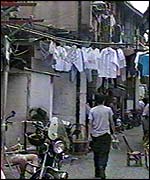
However, depending on how long they have worked, people could also be eligible for a low-cost loan from the government to reduce their repayments. Private ownership is growing fast, especially in more modern cities like Shanghai, where more than half of households are now owner-occupied. But in some provinces, fewer than 10% of the population are homeowners. Property in China is sold by the square metre, and at 117sq m, Jun Shan and Hang San's flat is a good size. Previously they had lived in a small government flat in the city centre. Redevelopment meant they had to move and they were given a 60sq m flat. After seven years they sold it to get some of the money for their new home.
They hand over �170 a month - one third of their income - to pay off their 15 year loan. It's expensive compared to the �5 a month rent they used to pay the government, but they're happy. "We never thought of buying our own house before because we always thought we could live in a small house quite comfortably," says Jun Shan. "But later on as our income was getting higher and higher we could afford a new apartment and the government has provided subsidies to help us." Property ownership brings with it the same problems as in other countries. Overseas investors Prices are rising, already making it hard for many people to get on to the ladder. The increase is partly because overseas investors are putting money into buy-to-let homes. That has in turn led to a boom in tiny studio flats. They can be as small as 18sq m, but they are at least affordable for many people.
Now they are being encouraged to save for a pension in their old age. Those who work for a state company or organisation have about one third of their wages deducted to cover medical insurance, unemployment and pension payments. Self-employed workers pay into a fund run by their community. Those whose earnings fall below the poverty line - different in each province but usually around �25 a month - get a state subsidy. Fees for degrees Unemployment benefit is low, also about �25 a month. Education is another field where there have been changes. Students now have to pay for both school and university.
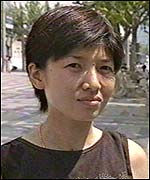
"Students must make money by themselves and try to find part-time jobs. I think my parents had a hard time," says Helena. "There are students who finish their education one or two years early as a way to save money." Some subsidies are available for those who can't afford the fees, and there are even free meals. But the change is not a popular one. "We have no way out because if you want to change your life and have a better future you have to go to university," explains Helena. "Our parents say education is a kind of investment." Like most revolutions, the changes are swift. The Chinese people are learning to stand on their own financial feet, but it's proving a harsh lesson for some. | | See also:  12 Sep 02 | Business 11 Sep 02 | Business 10 Sep 02 | Business Internet links: The BBC is not responsible for the content of external internet sites Top Business stories now: Links to more Business stories are at the foot of the page. | |||||||||||||||||||||||||||||||||||||||||||||||||||||||||||||||||||||||||||||||||||||||||||||||||||||||||||||||||||||||||||||||||||||||||||||||||||||||||||
| |
|  E-mail this story to a friend E-mail this story to a friend |
| |
| Links to more Business stories |
| | | ||
 | ||||
 | | Back to top
| ||
| ---------------------------------------------------------------------------------- To BBC Sport>> | To BBC Weather>> | To BBC World Service>> ---------------------------------------------------------------------------------- © MMIII | News Sources | Privacy |