|
 |
 | | | | | | |||||||||||||||||||||||||||||||||||||||||||||||||||||||||||||||||||||||||||||||||||||||||||||||||||||||||||||||||||||||||||||||||||||||||||||
| | | You are in: Business | |||||||||||||||||||||||||||||||||||||||||||||||||||||||||||||||||||||||||||||||||||||||||||||||||||||||||||||||||||||||||||||||||||||||||||||||
|
| | Friday, 12 July, 2002, 17:20 GMT 18:20 UK IMF warns of European slowdown  Europe's recovery from the rough ride of the past year is going to be slower than expected, the International Monetary Fund (IMF) has warned. In a statement following talks with European Union (EU) finance ministers in Brussels, the IMF says it is having to rethink its earlier bullishness about the strength of the recovery.
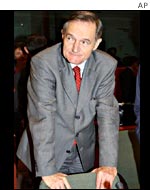
The straitened circumstances, it goes on to warn, will put additional pressure on EU states to keep their budgets in balance - just when a number of them, including France Germany and Italy, are cutting taxes and widening their deficits. Prices ease The IMF's message was not all bad news. The climbing euro - or rather the declining dollar, as it admits - was no great surprise, it said, and while it could make exports more expensive, lower prices for imports should help keep inflation under control. Following the meeting, Europe's finance ministers were keen to back the boost to the euro themselves. "That the European currency is approaching parity (with the US dollar) is for me good news," said French Finance Minister Francis Mer. Since most energy is priced in dollars, pressure on prices across the EU would ease, he and his colleagues pointed out. After the carrot, the stick But whatever the warm words, the IMF still took pains to warn against breaching Europe's Stability and Growth Pact, which limits its members to a budget deficit of 3%. Germany and Portugal have both either come within inches of the limit or breached it, sparking little more than grumbling from their peers.
Hardly surprising, perhaps, since two of them - France and Italy - are following suit, and the UK has voiced worries about limitations on its ability to borrow for capital investment. France has already boosted its own budget deficit target 50% to 2.6% since the rightwing won parliamentary elections earlier this year, and steep tax cuts are promised - as they are in Italy. The finance ministers' meeting has rowed back on the strictures built into the Pact, saying now that the aim is to bring everyone in line by 2004, allowing the maximum wiggle room until then. The IMF blessed this proposal, saying plans to narrow budget deficits by about half a percentage point a year were "difficult but do-able". But it made sure it warned the EU that its members still had to keep working towards keeping the terms of the SGP, particularly when it came to over-eager tax cuts. "It is the quality of the adjustment - the extent to which it addresses long-standing issues in key spending areas - that is crucial to the sustainaility of the consolidation effort," it said. ECB praise As for the performance of the oft-criticised European Central Bank, the IMF said it recognised that less risk of inflation means less of a need to raise interest rates. With hindsight, it said, the Bank's decisions over the three years were "appropriate". It also tried to deflect some of the suspicion about the ECB's inflation target, which solely aims to keep prices rising at less than 2% a year. That worries some observers, who believe that policymakers can be tempted to squeeze inflation too hard, wiping out growth. | | See also:  11 Jul 02 | Business 10 Jul 02 | Business 05 Jul 02 | Business 04 Jul 02 | Business 24 Jun 02 | Business 21 Jun 02 | Business 12 Feb 02 | Business 12 Feb 02 | Business 30 Jan 02 | Business Internet links: The BBC is not responsible for the content of external internet sites Top Business stories now: Links to more Business stories are at the foot of the page. | |||||||||||||||||||||||||||||||||||||||||||||||||||||||||||||||||||||||||||||||||||||||||||||||||||||||||||||||||||||||||||||||||||||||||||||
| |
|  E-mail this story to a friend E-mail this story to a friend |
| |
| Links to more Business stories |
| | | ||
 | ||||
 | | Back to top
| ||
| ---------------------------------------------------------------------------------- To BBC Sport>> | To BBC Weather>> | To BBC World Service>> ---------------------------------------------------------------------------------- © MMIII | News Sources | Privacy |