|
 |
 | | | | | | |||||||||||||||||||||||||||||||||||||||||||||||||||||||||||||||||||||||||||||||||||||||||||||||||||||||||||||||||||||||||||||||||||||||||||||||
| | | You are in: Business | |||||||||||||||||||||||||||||||||||||||||||||||||||||||||||||||||||||||||||||||||||||||||||||||||||||||||||||||||||||||||||||||||||||||||||||||||
|
| | Thursday, 11 July, 2002, 11:54 GMT 12:54 UK EU to relax rules on budget deficits Governments want the freedom to invest for the future The European Commission is getting ready to relax budget rules to give member countries more freedom to fuel economic growth with public investment.
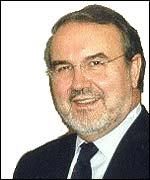
In a speech ahead of a eurozone finance ministers' meeting on Thursday, and a full-blown EU finance ministers' meeting on Friday which will review the rules, Mr Solbes stressed the need for change. "More emphasis needs to be given to the implication of current budgetary policies on the long-run sustainability of public finances," Mr Solbes said. Such a change in emphasis could make it more acceptable, in the eyes of the Commission, for healthy economies to run a deficit in the short-run so they can improve growth in the long-run. Investment in growth The EU executive's move was sparked by the way "growth prospects were quickly revised downwards and budget deficits started to widen" during the economic downturn of 2001, Mr Solbes said. It precedes a proposal, due this autumn, which will outline common standards for economic policy which should
"The focus is increasingly on growth" said Mr Solbes. The move is also seen as a response to criticism from several European Union member states which have been angered by what they see as the Commission's meddling with their national spending plans. On Wednesday France ignored Mr Solbes' warning and raised its budget deficit target by 50% to 2.6% of its gross domestic product. Italy's approach has been less blunt. Here, the government wants to use accounting methods which would show a deficit much smaller than it would be using EU methods. And earlier this year, Germany and Portugal managed to get away with deficits close to or above the 3% maximum, set down by the rules, by promising to improve by 2004. No pain, no gain "Four member states, namely Germany, France, Italy and Portugal, do not yet meet the close to balance, or in surplus, requirement of the Stability and Growth Pact," Mr Solbes said.
It seems likely that, increasingly, European countries will be allowed to run deficits when the chips are down in order to bounce back more quickly. "More emphasis needs to be put on how to raise Europe's growth potential while at the same time preserving macroeconomic stability," he said. So whereas, in the long-run, countries must still operate "sustainable budgetary positions", the Commission's rules should also encourage countries to "refocus the attention of budgetary policies towards medium-term concerns, including the economic growth performance". Stretch it like Solbes Mr Solbes' plans could also benefit the UK.
"We want to apply the stability pact in a way that makes economic sense," said a Commission official quoted by the Financial Times (FT). The UK is "clearly a special case", the official said. Such a flexible interpretation would mean the pact would no longer be a major obstacle to the UK joining the euro because, in the eyes of Chancellor Gordon Brown, it would no longer be seen as a set of rules hindering economic growth, the FT reasoned. More freedom for newcomers Mr Solbes' flexible approach would also enable the countries that are currently queuing up to join the EU more budgetary freedoms. "New member states will have to comply with the... convergence criteria when their participation in the euro is decided. No more and no less," Mr Solbes stressed. "But in the period before euro membership, for those new members states with outstanding financing needs, a certain amount of deficit financing might be unavoidable. "One could argue that a longer fiscal adjustment process is warranted," he said. Mr Solbes said the new entrants' "specific investment needs" should be considered and the focus should be on "medium-term macroeconomic stability, rather than [on] achieving any particular target for the budget balance". | | See also:  10 Jul 02 | Business 05 Jul 02 | Business 04 Jul 02 | Business 21 Jun 02 | Business 12 Feb 02 | Business 04 Dec 01 | Business 12 Feb 02 | Business 30 Jan 02 | Business Internet links: The BBC is not responsible for the content of external internet sites Top Business stories now: Links to more Business stories are at the foot of the page. | |||||||||||||||||||||||||||||||||||||||||||||||||||||||||||||||||||||||||||||||||||||||||||||||||||||||||||||||||||||||||||||||||||||||||||||||
| |
|  E-mail this story to a friend E-mail this story to a friend |
| |
| Links to more Business stories |
| | | ||
 | ||||
 | | Back to top
| ||
| ---------------------------------------------------------------------------------- To BBC Sport>> | To BBC Weather>> | To BBC World Service>> ---------------------------------------------------------------------------------- © MMIII | News Sources | Privacy |