|
 |
 | | | | | | ||||||||||||||||||||||||||||||||||||||||||||||||||||||||||||||||||||||||||||||||||||||||||||||||||||||||||||||||||||||||||||||||||||||||||||||||||||||||||||||
| | | You are in: Business | ||||||||||||||||||||||||||||||||||||||||||||||||||||||||||||||||||||||||||||||||||||||||||||||||||||||||||||||||||||||||||||||||||||||||||||||||||||||||||||||||
|
| | Monday, 8 July, 2002, 14:07 GMT 15:07 UK Nepal boosts security spending Soldiers will be equipped with new weapons
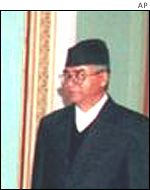
The country's economy has been reeling due to an escalation of the civil war, which has frightened off tourist, Nepal's main hard currency earner. The new Budget depends on foreign aid for about a third of the total outlay. At a meeting of aid partners - including Japan, US, UK and other EU nations - in London last week, Nepal was offered 8-10bn rupees if it could control corruption and the misappropriation of development funds. Security spending Mr Deuba said that the Budget was aimed at reducing poverty and improving internal security. Spending of on the security forces was raised by 32% from last year to $170m. The funds are expected to be used to procure advanced weapons and logistics for the police and the army who have been fighting the Maoists. An intensive security operation has been in place since last November to crush the Maoist guerrillas. More than 4,000 people have died since the Maoist rebels started an armed struggle to replace constitutional monarchy with a communist republic in 1996. Economic slump Rampant poverty and social injustice have been largely blamed for the spread of the rebel movement, which was initially confined to a few remote hill districts, west of the country. About 40% of Nepal's 23 million population live in abject poverty. Mr Deuba said that restoring peace was key to executing plans aimed at reducing poverty. According to official figures, the economy grew by less than 1% last year, the worst performance in more than a decade, after industrial production, exports and tourism slumped. Tourist arrivals dropped by nearly half after 10 members of Nepal's royal family were massacred in June by the crown prince. The longhaul travel slump after the 11 September attacks represented a further setback, while fighting between Maoist and government forces renewed in November. Low growth and a weak Nepalese rupee helped push the kingdom's per capita income down to $226, from $240 last year, the figures showed. | |
See also:  27 Jun 02 | Business 01 Jun 02 | South Asia 29 May 02 | Business 20 Mar 02 | Business Internet links: The BBC is not responsible for the content of external internet sites Top Business stories now: Links to more Business stories are at the foot of the page. | ||||||||||||||||||||||||||||||||||||||||||||||||||||||||||||||||||||||||||||||||||||||||||||||||||||||||||||||||||||||||||||||||||||||||||||||||||||||||||||||
| |
|  E-mail this story to a friend E-mail this story to a friend |
| |
| Links to more Business stories |
| | | ||
 | ||||
 | | Back to top
| ||
| ---------------------------------------------------------------------------------- To BBC Sport>> | To BBC Weather>> | To BBC World Service>> ---------------------------------------------------------------------------------- © MMIII | News Sources | Privacy |