|
 |
 | | | | | | |||||||||||||||||||||||||||||||||||||||||||||||||||||||||||||||||||||||||||||||||||||||||||||||||||||||||||||||||||||||||||||||||||||||||||||||||||||||
| | | You are in: Business | |||||||||||||||||||||||||||||||||||||||||||||||||||||||||||||||||||||||||||||||||||||||||||||||||||||||||||||||||||||||||||||||||||||||||||||||||||||||||
|
| | Thursday, 27 June, 2002, 10:59 GMT 11:59 UK Burberry tests fashion for shares Burberry becomes young and trendy again
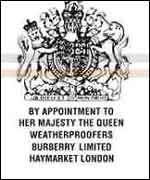
Burberry is set to become the UK's first publicly quoted luxury goods label when it sells its shares next month. The company might originally have become famous for making the Queen's raincoats, but now celebrities such as Kate Moss and Victoria Beckham want the checked macs in their wardrobes. Burberry's tale is a classic one of reinvention - and the question now is whether investors will reward the company by buying its shares at the price it wants.
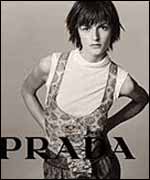
The cause will not be helped by the poor performance of luxury goods companies in recent months and the difficult market conditions. One of Burberry's rivals, Prada, had been expected to sell shares next month as well. But the company announced on Wednesday that it was delaying its float for a third time. Burberry check Even as Prada dithers, Burberry remains confident, highlighting the fact that - while superficially similar - the two companies do have very different stories to tell. The attraction of checked raincoats might once have seemed limited, but not any more. And Burberry proved you could sell macs even when the sun was shining, when it opened a store in Beverly Hills. Burberry's operating profits were �90.3m ($137.3m) in the 12 months to March, compared with �69.5m in the previous year.
While Burberry can be seen as a fashion success story - not everyone is sure it falls into the luxury brand category. Italian investors don't "see it [Burberry] as a fashion brand, they need some convincing," one analyst said. The pricing of Burberry shares also leaves a sense that the company doesn't really know where to pitch itself. Its shares are priced in a range of 230 pence to 290p. At the bottom of this range, the shares are at a 10% premium to other UK stores, but still about 40% less than luxury good groups. Burberry's pricing might have influenced Prada's decision to pull out of its share offering - though the company cited poor overall market conditions. Luxury name Prada, a family run business, has no difficulty being seen as a luxury goods brand. The long established Prada name carries more cachet than the Burberry name - which has yet to prove its longevity in the high fashion end of the market. Prada's financial tale is, however, slightly different.
Having bought brands such as Jil Sander and Church Shoes, it now needs cash to pay off its debts. Some analysts argue that buying the brands hasn't just led to a debt problem for Prada. It has also failed to benefit from the brands and they have led to a dilution of time and management effort. Even when it does float, Prada is unlikely to raise enough to wipe out its debts. Burberry's parent company GUS plans to use money from its flotation to pay off debts, a move which would effectively leave Burberry debt free. Brand image So, how do the respective companies view each other? "Prada's view is that Burberry is a British mackintosh manufacturer that has done a good job riding the fashion wave," one source close to the Prada deal told Reuters.
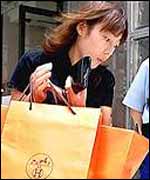
"We are not a multi-brand group, "Burberry chief executive Rose Marie Bravo said when questioned about competition between the two share offerings. "We believe that is a competitive advantage." In perceiving the question to be one of branding, Ms Bravo highlighted what many believe to be the key issue for luxury goods companies. Prada's unwieldy bag of brands were bought to create value, but have yet to do so, whereas Burberry is the tale of the successful reinvention of an aging brand. Few high fashion names make their money from the clothes that grace the catwalk shows - but their presence there is crucial to maintaining the brand that allows them to sell the lucrative accessories, such as handbags and belts. Many fashion companies evolved by licensing franchises, but the importance of branding is such that more of them are operating directly controlled stores, or handing out concessions - to ensure they control their own brand. "Gradually, the role of designer has been upgraded to creative director or artist director, so someone like Tom Ford can have a look at how the whole brand can come across," said Tim Jackson, senior lecturer in fashion marketing at the London School of Fashion. Any takers for luxury goods? Branding apart - there is a hard economic reality to the fashion industry's woes. Luxury goods companies like to sell themselves as somehow immune to the vagaries of world economies, arguing that those who can afford their goods can afford them whatever the economic climate. But often only the most exclusive companies can rely on customers continuing to spend. Economic slowdown hits the aspirational buyers and a slowdown in world travel hits one of the world's biggest markets for luxury goods - Japan. An estimated 50% of luxury goods worldwide are sold to the Japanese and about 30% of these are sold to the travelling Japanese - so a fall in travel after 11 September hit sales hard. Gucci chief executive Domenico de Sole said that sales in destinations which rely on tourists from Japan - such as Hawaii and Las Vegas - are falling. Last week, Gucci revealed that its profits for the first three months of the financial year fell 42% to 35.3m euros. | | See also:  28 Jun 01 | Business 24 Jun 02 | Business 29 May 02 | Business Top Business stories now: Links to more Business stories are at the foot of the page. | |||||||||||||||||||||||||||||||||||||||||||||||||||||||||||||||||||||||||||||||||||||||||||||||||||||||||||||||||||||||||||||||||||||||||||||||||||||||
| |
|  E-mail this story to a friend E-mail this story to a friend |
| |
| Links to more Business stories |
| | | ||
 | ||||
 | | Back to top
| ||
| ---------------------------------------------------------------------------------- To BBC Sport>> | To BBC Weather>> | To BBC World Service>> ---------------------------------------------------------------------------------- © MMIII | News Sources | Privacy |