|
 |
 | | | | | | |||||||||||||||||||||||||||||||||||||||||||||||||||||||||||||||||||||||||||||||||||||||||||||||||||||||||||||||||||||||||||||||||||||||||||||||||||||||||||||||||||||||||
| | | You are in: Americas | |||||||||||||||||||||||||||||||||||||||||||||||||||||||||||||||||||||||||||||||||||||||||||||||||||||||||||||||||||||||||||||||||||||||||||||||||||||||||||||||||||||||||||
|
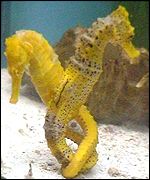
| | Friday, 15 November, 2002, 21:59 GMT Conservation talks hailed a success  The survival of many endangered species is at stake
A United Nations convention on endangered species has closed in the Chilean capital, Santiago, with environmentalists hailing it as a huge advance for conservation.
It is not hard to find people enthusiastic about the outcome of the Convention on International Trade in Endangered Species, or Cites, as it is known. A coming of age is the way one ecstatic environmentalist, Sue Lieberman, from the World Wildlife Fund, described it. Even Greenpeace cancelled a protest outside the conference hall, saying it was not necessary. 'Bold and visionary' The reason for all the talk of victory: a series of controversial decisions that even the Cites Secretary General, Willem Wijnstekers, has described as bold and visionary.
After a decade of fighting, big leaf mahogany has made it onto Cites appendix two, a move which effectively controls its international trade. A similar move was made for sea horses; more than 20 million of which are harvested each year for live sales to aquariums or dried for traditional Asian medicine. And in its dying minutes, the conference decided to overturn an earlier decision, voting instead to control the trade in the world's two biggest fish - the basking shark and the whale shark. They are threatened by the demand for their meat and fins. Huge praise There were only two sources of disappointment for the environmentalists: firstly, a plan was made to allow three southern African countries to make one-off sales of ivory stockpiles, which opponents said could encourage elephant poaching. And secondly, Australia decided to withdraw its proposal to list the Patagonian tooth fish in the face of huge opposition from pro-fishing countries. But by and large, the conference has drawn huge praise. Ms Lieberman said that, altogether, it represented a recognition by Cites that it had to get involved with the big commercial trade in marine and timber species - and not just obscure creatures stuck in the developing world. | | See also:  10 Nov 02 | Americas 02 Nov 02 | In Depth 14 Oct 02 | Science/Nature 04 Oct 02 | Asia-Pacific 13 Jun 02 | Asia-Pacific Internet links: The BBC is not responsible for the content of external internet sites Top Americas stories now: Links to more Americas stories are at the foot of the page. | |||||||||||||||||||||||||||||||||||||||||||||||||||||||||||||||||||||||||||||||||||||||||||||||||||||||||||||||||||||||||||||||||||||||||||||||||||||||||||||||||||||||||
| |
|  E-mail this story to a friend E-mail this story to a friend |
| |
| Links to more Americas stories |
| | | ||
 | ||||
 | | Back to top
| ||
| ---------------------------------------------------------------------------------- To BBC Sport>> | To BBC Weather>> | To BBC World Service>> ---------------------------------------------------------------------------------- © MMIII | News Sources | Privacy |