|
 |
 | | | | | | ||||||||||||||||||||||||||||||||||||||||||||||||||||||||||||||||||||||||||||||||||||||||||||||||||||||||||||||||||||||||||||||||||||||||||||||||||||||||||||||||||||||||||||||||||||
| | | You are in: Americas | ||||||||||||||||||||||||||||||||||||||||||||||||||||||||||||||||||||||||||||||||||||||||||||||||||||||||||||||||||||||||||||||||||||||||||||||||||||||||||||||||||||||||||||||||||||||
|
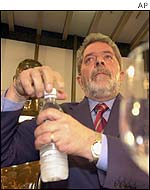
| | Monday, 28 October, 2002, 11:09 GMT Lula: Fourth time lucky  Lula used to work as a shoe shine boy Luiz Inacio Lula da Silva's election victory is the end of an unprecedented journey - from abject poverty to the presidency of Brazil. As head of the Workers' Party, his convincing victory - at the fourth attempt - puts a left-wing government in power in Brazil for the first time in more than 40 years. "Lula", as he is known in Brazil, worked as a peanut seller and shoe shine boy as a child.
He went on to train as a metal worker and found work in an industrial city near Sao Paulo, where he lost the little finger of his left hand in an accident in the 1960s. Lula was not initially interested in politics, but threw himself into trade union activism after his first wife died of hepatitis in 1969. Elected leader of the 100,000-strong Metalworkers' Union in 1975, he transformed trade union activism in Brazil by turning what had mostly been government-friendly organisations into a powerful independent movement. Road to pragmatism In 1980 Lula brought together a combination of trade unionists, intellectuals, Trotskyites and church activists to found the Workers' Party (PT), the first major socialist party in the country's history. Since then the Workers' Party has gradually replaced its revolutionary commitment to changing the power structure in Brazil with a more pragmatic, social democratic platform. Before this election victory, Lula previously lost three times, and he began to believe his party would never win power nationally without forming alliances and keeping powerful economic players on side.
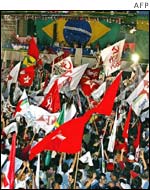
The Workers' Party manifesto reflected its sometimes conflicting instincts. It remained committed to prioritising the poor, encouraging grassroots participation and defending ethical government. But any changes will be gradual because it has also promised to work with the International Monetary Fund. Slick campaign The Workers' Party ran a slick campaign which avoided specific pledges and featured a smartly dressed Lula in emotionally effective television commercials. But despite a growing lead in the polls, analysts were still unsure whether middle class voters would abandon Lula, fearing his radical past and lack of formal education. Lula's convincing election victory proved they had faith in him. The BBC's Peter Greste, in Brazil, said the strength of his support is a resounding endorsement of the former trade union leader's promises of economic prosperity, fairly distributed to all Brazilians. | |
Internet links:  The BBC is not responsible for the content of external internet sites Top Americas stories now: Links to more Americas stories are at the foot of the page. | ||||||||||||||||||||||||||||||||||||||||||||||||||||||||||||||||||||||||||||||||||||||||||||||||||||||||||||||||||||||||||||||||||||||||||||||||||||||||||||||||||||||||||||||||||||
 | |
|  E-mail this story to a friend E-mail this story to a friend |
| |
| Links to more Americas stories |
| | | ||
 | ||||
 | | Back to top
| ||
| ---------------------------------------------------------------------------------- To BBC Sport>> | To BBC Weather>> | To BBC World Service>> ---------------------------------------------------------------------------------- © MMIII | News Sources | Privacy |