
|
 |
 | | | | | | |||||||||||||||||||||||||||||||||||||||||||||||||||||||||||||||||||||||||||||||||||||||||||||||||||||||||||||||||||||||||||||||||||||||||||||||||||||||||||||||
| | | You are in: Americas | |||||||||||||||||||||||||||||||||||||||||||||||||||||||||||||||||||||||||||||||||||||||||||||||||||||||||||||||||||||||||||||||||||||||||||||||||||||||||||||||||
|
| | Thursday, 22 August, 2002, 14:05 GMT 15:05 UK Ashes turned into diamonds 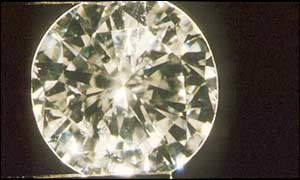 The company says its diamonds will be certified A US firm says it will turn your cremated ashes into a diamond for the loved ones you leave behind to cherish. LifeGem Memorials of Chicago charges $4,000 to $22,000 for a synthetic diamond that a family member can wear when you are gone, made from the carbon you leave behind.
"The LifeGem diamond is more than a memorial to visit on the weekends or place on a shelf," the company's web site says. "It is a way to embrace your loved one's memory day by day." Company head Greg Herro has spent three years working on the process, in which the ash is purified at 3,000C before being further heated and pressurised into a diamond in about 16 weeks. "We're building on the simple fact that all living creatures are carbon-based and diamonds are carbon-based," said Mr Herro, who launched his business in July. Several US funeral homes are listed on his web site as places where interested customers turn to if they want to order diamonds to be made. Growth market? Chemistry professor Avrum Blumberg of DePaul University in Chicago said the process made scientific sense. "If it's done slowly and with a great deal of care, one could have a reasonably high-quality diamond," Mr Blumberg said. Mr Herro said his diamonds would be certified by the European Gemological Laboratory (EGL), which examines diamonds worldwide, but a US spokesman for the lab would not comment on LifeGem. "At this time, EGL USA does not have enough information about this new product to comment about the use of the EGL name in conjunction with it," said EGL USA director Mark Gershburg in a statement. While only 28% of Americans opt for cremation, Mr Herro said he hoped his product would cause that number to grow closer to Japan's cremation rate of 98%. Synthetic diamonds - ones that are manmade, rather than found in the ground - have been used for a variety of industrial processes since being invented in the 1950s. | | See also:  17 Jul 02 | Americas 26 Jun 02 | Wales 25 May 02 | Americas 14 Mar 02 | Americas 26 Feb 02 | Europe Internet links: The BBC is not responsible for the content of external internet sites Top Americas stories now: Links to more Americas stories are at the foot of the page. | |||||||||||||||||||||||||||||||||||||||||||||||||||||||||||||||||||||||||||||||||||||||||||||||||||||||||||||||||||||||||||||||||||||||||||||||||||||||||||||||
| |
|  E-mail this story to a friend E-mail this story to a friend |
| |
| Links to more Americas stories |
| | | ||
 | ||||
 | | Back to top
| ||
| ---------------------------------------------------------------------------------- To BBC Sport>> | To BBC Weather>> | To BBC World Service>> ---------------------------------------------------------------------------------- © MMIII | News Sources | Privacy |






