|
 |
 | | | | | | ||||||||||||||||||||||||||||||||||||||||||||||||||||||||||||||||||||||||||||||||||||||||||||||||||||||||||||||||||||||||||||||||||||||||||||||||||||||||||||||||||||||||||||||||||||||||
| | | You are in: Americas | ||||||||||||||||||||||||||||||||||||||||||||||||||||||||||||||||||||||||||||||||||||||||||||||||||||||||||||||||||||||||||||||||||||||||||||||||||||||||||||||||||||||||||||||||||||||||||
|
| | Friday, 26 July, 2002, 13:08 GMT 14:08 UK Evita: 50 years as a symbol 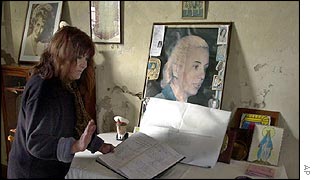 Evita's birthplace is a place of pilgrimage
"Evita vive- Evita lives" say the slogans on walls in the poorer districts of Argentina's capital Buenos Aires. On the 50th anniversary of Eva Peron's death, many Argentines still feel the need to turn to her for help and support.
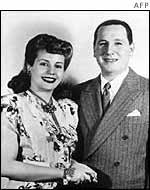
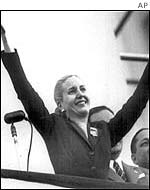
Evita was born as Maria Eva Ibarurgen in a small town on the Argentine pampas in 1919. As a young woman, she headed for the capital and launched herself on a career as an actress on the radio and in films. She came to prominence after her marriage to the then Colonel Juan Domingo Peron in 1945. She was at his side when he was elected president in 1946, and was an essential part of the triumphant growth of Peronism. Peronist hope In the late 1940s, Argentina was rich and full of hope. Evita, as she soon became known, helped bring in new laws which for example gave Argentine women the vote for the first time, and extended equal rights to illegitimate children. Her political appeal was immense, above all among the new immigrants and the poorer people from Argentina's interior.
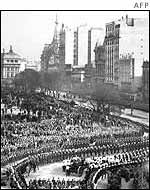
This image of frailty increased when she fell ill with cancer, and died on 26 July 1952. Millions of Argentines lined the streets for her funeral or filed past her body during the lying-in-state. After her death, Evita's embalmed body was first kept by a military officer, then began a bizarre tour of several European countries, before finally being laid to rest in a Buenos Aires cemetery. On her tomb figure the famous words: "Don't cry for me, Argentina, I remain very near you." Rejection Not everyone in Argentina saw Evita in such a positive light. For many middle class Argentines, she was the image of anti-democratic populism, someone who used her position for personal gain. They saw the emergence of Peronism, and her part in it, not as a golden age, but as the beginning of Argentina's chronic social and economic problems. Juan Peron himself was overthrown by a military coup three years after Evita's death, since when Argentina has experienced more than four decades of military rule, corruption, social conflict and a worsening economic position. Dark days Fifty years on from Evita's death, everyday life in Argentina is grim for many of its 35 million inhabitants.
Although Argentina is one of the world's greatest agricultural exporters, there is scarcity and malnutrition at home. There have been five presidents in the past year, and almost no-one trusts politicians, whatever their party. In the face of all this, the image of Evita has only grown in importance for many Argentines. | |
See also:  02 Jan 01 | UK Confidential 03 Jun 00 | Health 27 Apr 02 | Business Internet links: The BBC is not responsible for the content of external internet sites Top Americas stories now: Links to more Americas stories are at the foot of the page. | ||||||||||||||||||||||||||||||||||||||||||||||||||||||||||||||||||||||||||||||||||||||||||||||||||||||||||||||||||||||||||||||||||||||||||||||||||||||||||||||||||||||||||||||||||||||||
| |
|  E-mail this story to a friend E-mail this story to a friend |
| |
| Links to more Americas stories |
| | | ||
 | ||||
 | | Back to top
| ||
| ---------------------------------------------------------------------------------- To BBC Sport>> | To BBC Weather>> | To BBC World Service>> ---------------------------------------------------------------------------------- © MMIII | News Sources | Privacy |