|
 |
 | | | | | | |||||||||||||||||||||||||||||||||||||||||||||||||||||||||||||||||||||||||||||||||||||||||||||||||||||||||||||||||||||||||||||||||||||||||||||||||||||||||||||||||||||
| | | You are in: Africa | |||||||||||||||||||||||||||||||||||||||||||||||||||||||||||||||||||||||||||||||||||||||||||||||||||||||||||||||||||||||||||||||||||||||||||||||||||||||||||||||||||||||
|
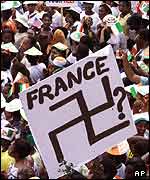
| | Monday, 17 February, 2003, 03:18 GMT Ivory Coast curfew extended  The rebels insist they will not back down The night-time curfew brought in by Ivory Coast's authorities when the civil war began in September has been extended. The curfew - which was due to end on 15 February - will remain in force for two more weeks. The extension was announced as a Sunday midnight deadline set by rebels for President Laurent Gbagbo to give them key posts in a new government passed. The rebels - which hold the northern half of the country - have threatened to attack the main city, Abidjan, if their demands are not met. Government forces have been seen moving towards the front line to reinforce their positions. Shuttle diplomacy As the deadline approached on Sunday, the rebels were travelling between West African capitals.
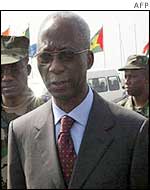
Rebel representatives left Ghana for Abuja in Nigeria, where they are due to meet President Olusegun Obasanjo before flying to Mali. The main northern rebel group - the Patriotic Movement of Ivory Coast (MCPI) - said unless President Gbagbo appointed its nominees to the cabinet they would march on Abidjan. In recent days however their threat has become more tempered. On Sunday a rebel spokesman said they were still waiting to hear from a committee set up to oversee the peace agreement's implementation, Reuters reports. The committee includes United Nations Secretary General Kofi Annan's special representative in Ivory Coast, Albert Tevoedjre. Committee response "Military action is not ruled out after the ultimatum but we want to wait for the response from the follow-up committee before doing anything," Antoine Beugre of the MCPI said, the news agency reported. He added that nothing had come of earlier talks held in Ghana, at which the Ivory Coast's newly appointed Prime Minister Seydou Diarra was present, as Mr Gbagbo still refused to give them government posts.
The rebels insist that under the French-brokered peace deal in January they were promised the defence and interior portfolios. The conflict began in September, when rebels from the Muslim-dominated north took up arms against President Gbagbo's government, which is dominated by southern Christians. Thousands of people have been killed and more than one million forced to leave their homes since then. French and West African troops have been sent to monitor a fragile ceasefire reached in October. The conflict is likely to dominate at the Franco-African summit to be held in Paris on Thursday and Friday. The attendance of Mr Gbagbo has not been confirmed. | |
See also:  15 Feb 03 | Africa 11 Feb 03 | Africa 09 Feb 03 | Africa 07 Feb 03 | Africa 06 Feb 03 | Africa 05 Feb 03 | Africa Internet links: The BBC is not responsible for the content of external internet sites Top Africa stories now: Links to more Africa stories are at the foot of the page. | |||||||||||||||||||||||||||||||||||||||||||||||||||||||||||||||||||||||||||||||||||||||||||||||||||||||||||||||||||||||||||||||||||||||||||||||||||||||||||||||||||||
 | |
|  E-mail this story to a friend E-mail this story to a friend |
| |
| Links to more Africa stories |
| | | ||
 | ||||
 | | Back to top
| ||
| ---------------------------------------------------------------------------------- To BBC Sport>> | To BBC Weather>> | To BBC World Service>> ---------------------------------------------------------------------------------- © MMIII | News Sources | Privacy |