|
 |
 | | | | | | ||||||||||||||||||||||||||||||||||||||||||||||||||||||||||||||||||||||||||||||||||||||||||||||||||||||||||||||||||||||||||||||||||||||||||||||||||||||||||||||||||||||||||
| | | You are in: Africa | ||||||||||||||||||||||||||||||||||||||||||||||||||||||||||||||||||||||||||||||||||||||||||||||||||||||||||||||||||||||||||||||||||||||||||||||||||||||||||||||||||||||||||||
|
| | Wednesday, 5 February, 2003, 00:43 GMT UN backs Ivory Coast peacekeepers  Ecowas is expected to deploy more troops French and West African troops in Ivory Coast have won a mandate from the United Nations Security Council to use force in peacekeeping operations there. The Security Council voted unanimously on Tuesday to back the troops' deployment with a review of the situation in six months' time.
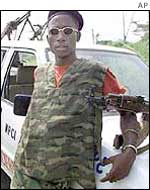
A rebel leader told the BBC that they would not give up the defence and interior ministry posts in a new power-sharing government which were reportedly promised them in France. The UN called for the full and immediate implementation of the peace agreement. Protective role In New York, the Security Council passed resolution 1464 giving "full support" to troops of the Economic Community of West African States (Ecowas) and France currently serving in Ivory Coast. The troops were authorised to take any necessary steps to ensure their own security and freedom of movement and "the protection of civilians threatened with imminent violence". The Council said it was acting under Chapter Seven of the UN Charter which authorises the use of military force where other means of enforcing resolutions prove inadequate.
About 2,500 French troops are serving in Ivory Coast, primarily to protect the ex-colonial power's expatriate community, while 200 Senegalese troops represent Ecowas so far. Mark Doyle, the BBC's world affairs correspondent, says the UN resolution may help protect civilians but it will do little to resolve the bitter civil conflict in Ivory Coast. 'Rebel offensive' The Ivorian army said on Tuesday that rebels had launched attacks against government positions in the west of the country but French soldiers monitoring the peace deal have not reported any breaking of the truce. Ivorian army spokesman Lieutenant Colonel Jules Yao Yao said government positions had been attacked 45 kilometres (30 miles) west of Daloa, a coffee and cocoa growing region.
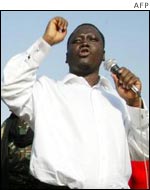
The spokesman said a second attack was imminent because a large convoy of rebels had apparently crossed a ceasefire line and was heading into government-held territory. "If the French do not intervene, we will destroy the rebel movement ourselves," he said. The BBC's Tom McKinley in Abidjan says it is not clear which rebel group might be responsible for renewed fighting. The largest, the Ivory Coast Patriotic Movement (MPCI), has denied any involvement. The western rebel groups, the Ivorian Popular Movement of the Great West (MPIGO) and the Movement for Justice and Peace (MJP), have not yet commented. No new negotiations Guillaume Soro, head of the MPCI, told the BBC that the rebels would not renegotiate the French peace accord.
But President Gbagbo has hinted that he may now reject the deal. Last week, under mounting pressure from thousands of protestors he referred to it as a list of propositions. The Ivorian army and the country's five main political parties oppose the power-sharing arrangement. Parliament is still discussing the issue but is also expected to say it is unworkable. | |
See also:  05 Feb 03 | Africa 04 Feb 03 | Africa 03 Feb 03 | Africa 02 Feb 03 | Africa 02 Feb 03 | Africa 02 Feb 03 | Africa Internet links: The BBC is not responsible for the content of external internet sites Top Africa stories now: Links to more Africa stories are at the foot of the page. | ||||||||||||||||||||||||||||||||||||||||||||||||||||||||||||||||||||||||||||||||||||||||||||||||||||||||||||||||||||||||||||||||||||||||||||||||||||||||||||||||||||||||||
 | |
|  E-mail this story to a friend E-mail this story to a friend |
| |
| Links to more Africa stories |
| | | ||
 | ||||
 | | Back to top
| ||
| ---------------------------------------------------------------------------------- To BBC Sport>> | To BBC Weather>> | To BBC World Service>> ---------------------------------------------------------------------------------- © MMIII | News Sources | Privacy |





 The Security Council... endorses the agreement signed by the Ivorian political forces