|
 |
 | | | | | | ||||||||||||||||||||||||||||||||||||||||||||||||||||||||||||||||||||||||||||||||||||||||||||||||||||||||||||||||||||||||||||||||||||||||||||||||||||||||||||||||||||||||
| | | You are in: Africa | ||||||||||||||||||||||||||||||||||||||||||||||||||||||||||||||||||||||||||||||||||||||||||||||||||||||||||||||||||||||||||||||||||||||||||||||||||||||||||||||||||||||||||
|
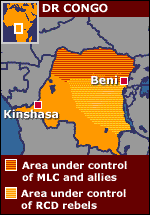
| | Wednesday, 15 January, 2003, 23:41 GMT UN condemns DR Congo cannibalism  Uganda helped establish the MLC rebels The United Nations Security Council has strongly condemned massacres and human rights violations, including cannibalism, by rebels in the Democratic Republic of Congo. A UN investigation said that the Ugandan-backed Movement for the Liberation of Congo (MLC) and two smaller factions committed atrocities between October and December in the eastern Ituri province.
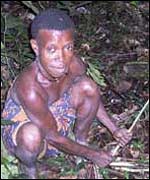
In one case, investigators heard how a young girl was cut into small pieces by the soldiers and then eaten. Other examples include hearts and other organs being cut out of victims and forced on their families to eat. A senior Congolese Government official told the BBC that the massacres demonstrated the need for a more robust UN presence in the region. 'Freaks' The rights investigators heard that the soldiers systematically raped women and looted houses in the town of Mambasa and in villages along the road towards Beni. Members of the minority Pygmy community, forced to flee their forest homes for the first time anyone can remember, were among those targeted.
The UN spokesperson in Kinshasa described the rebel soldiers as "freaks" who were out of control and said that abusers of human rights, wherever they were in Congo, should be brought to justice. She said a copy of the investigators' findings had been given to the UN Security Council. The BBC's Mark Dummett in Kinshasa says that, in spite of recent advances in Congo's peace process, there is still insecurity in much of the country, particularly the north-east, where the rape and massacre of civilians have become commonplace. 'Failed state' The Congolese Information Minister, Kikaya Bin Karubi, urged the UN to consider strengthening its observer mission, MONUC, and give it a peace enforcement status. "Today you may deploy even more MONUC troops in the Ituri province, they will go there, and as an observer mission they will be observing people eating people. "They will be observing cannibalism because their mandate does not allow them to intervene or to do something about it." But the BBC's Greg Barrow at the UN headquarters in New York says Security Council members remain reluctant to support a more robust UN military presence. Our correspondent says the UN does not want to find itself playing the role of a proxy army, providing security for a failed state that controls the capital Kinshasa, but has little power outside. | |
See also:  14 Jan 03 | Africa 13 Jan 03 | Africa 09 Jan 03 | Africa 04 Jun 02 | Africa 30 Dec 02 | Africa 23 Dec 02 | Africa 04 Dec 02 | Africa Internet links: The BBC is not responsible for the content of external internet sites Top Africa stories now: Links to more Africa stories are at the foot of the page. | ||||||||||||||||||||||||||||||||||||||||||||||||||||||||||||||||||||||||||||||||||||||||||||||||||||||||||||||||||||||||||||||||||||||||||||||||||||||||||||||||||||||||
 | |
|  E-mail this story to a friend E-mail this story to a friend |
| |
| Links to more Africa stories |
| | | ||
 | ||||
 | | Back to top
| ||
| ---------------------------------------------------------------------------------- To BBC Sport>> | To BBC Weather>> | To BBC World Service>> ---------------------------------------------------------------------------------- © MMIII | News Sources | Privacy |