|
 |
 | | | | | | |||||||||||||||||||||||||||||||||||||||||||||||||||||||||||||||||||||||||||||||||||||||||||||||||||||||||||||||||||||||||||||||||||||||||||||||||||||||||||||||||||||||||
| | | You are in: Africa | |||||||||||||||||||||||||||||||||||||||||||||||||||||||||||||||||||||||||||||||||||||||||||||||||||||||||||||||||||||||||||||||||||||||||||||||||||||||||||||||||||||||||||
|
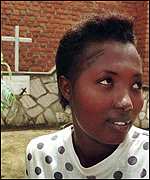
| | Tuesday, 7 January, 2003, 10:53 GMT Anger at release of Rwandan killers  An estimated 800,000 people died in the genocide Organisations representing survivors of the 1994 Rwandan genocide are unhappy with a plan to free thousands of people who have pleaded guilty to participating in the genocide but have not yet been tried. A spokesman for one of the groups, Ibuka, told the BBC that witnesses could be intimidated.
But a judicial official has tried to assuage their fears by saying that security would be tightened in court and counselling provided. On 1 January, the government announced that those who had pleaded guilty, along with the elderly, minors and the seriously ill, would be freed on bail until their cases are heard in court. Some 800,000 people, mostly ethnic Tutsis and moderate Hutus, were killed in 100 days between April and June 1994. Some people were alarmed at the measure, believing it to be an amnesty but the justice ministry has confirmed that those set free will still be tried. Traditional justice Justice Minister Jean de Dieu Mucyo said that between 30,000 and 40,000 people, not those who organised the genocide, would be freed. Rwanda's prisons are currently massively overcrowded with some 120,000 people awaiting trial for genocide. In another attempt to reduce prison overcrowding, the government is using the traditional "Gacaca" justice system, where local communities judge suspects. On Sunday, genocide survivors held meetings with the authorities in a bid to prevent the mass liberation. The government refused to reverse its policy, so Ibuka asked for increased protection for witnesses and additional counsellors for people who may be traumatised by seeing those who killed their relatives walking free.
But the prosecutor-general, Gerald Gahima, said that although no protection would be provided for individuals as such, security would be tightened in court to ensure greater confidence for survivors and witnesses. He also said extra counselling services would be provided. Mr Gahima said that the move, however unpopular, had been necessary for logistical reasons. "It is impossible to try hundreds of thousands of people through ordinary courts," he told the BBC's Network Africa programme. "No legal system was ever devised to deal with cases where the majority of members of society participated in atrocities. "We estimate that if a million people died, another million or two million people had a role in what happened. It would be impossible to try and punish all these people," he said. | |
See also:  03 Jan 03 | Africa 15 Aug 02 | Africa 24 Jul 02 | Africa 25 Nov 02 | Africa 19 Jun 02 | Africa 18 Jun 02 | Africa Internet links: The BBC is not responsible for the content of external internet sites Top Africa stories now: Links to more Africa stories are at the foot of the page. | |||||||||||||||||||||||||||||||||||||||||||||||||||||||||||||||||||||||||||||||||||||||||||||||||||||||||||||||||||||||||||||||||||||||||||||||||||||||||||||||||||||||||
 | |
|  E-mail this story to a friend E-mail this story to a friend |
| |
| Links to more Africa stories |
| | | ||
 | ||||
 | | Back to top
| ||
| ---------------------------------------------------------------------------------- To BBC Sport>> | To BBC Weather>> | To BBC World Service>> ---------------------------------------------------------------------------------- © MMIII | News Sources | Privacy |