|
 |
 | | | | | | |||||||||||||||||||||||||||||||||||||||||||||||||||||||||||||||||||||||||||||||||||||||||||||||||||||||||||||||||||||||||||||||||||||||||||||||||||||||||||||||||||||||||||||||||||||
| | | You are in: Africa | |||||||||||||||||||||||||||||||||||||||||||||||||||||||||||||||||||||||||||||||||||||||||||||||||||||||||||||||||||||||||||||||||||||||||||||||||||||||||||||||||||||||||||||||||||||||
|
| | Wednesday, 19 June, 2002, 01:07 GMT 02:07 UK Rwandans seek genocide justice Dancille Nyirabazungu escaped after her husband died
Eight years after the genocide, the church at Ntarama still stinks of decaying flesh. It is strewn with the bloodied clothing and the bones of the 5,000 Tutsis who were slain here.
On the altar there is no cloth, no chalice, just one skull. "I survived thanks to God," said 46-year-old Pacifique Rutaganda. "The killing started here on 14 April 1994 - the military blasted those holes you can see in the walls and they threw grenades in. "Then they came in to finish people off with clubs studded with nails," he said. Widespread horror The widow of his late cousin, Dancille Nyirabazungu, is a Hutu who is now struggling to raise her own four children as well as one orphan. She explained that her husband, a Tutsi, was killed in the church and that she escaped to Congo with the children.
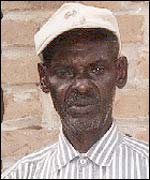
In order to heal the scars of the past, to deliver justice and to help with the process of national reconciliation, the Rwandan Government has brought in a revamped version of traditional community justice called gacaca. In gacaca, Pacifique and Dancille will get the chance to testify about what actually happened in 1994 and about who did the killing. Neighbourhood justice Their neighbour, a 64-year-old peasant called Deogratias, is one of the gacaca judges. He will listen to witness testimony for and against the accused, and eventually, along with 18 other judges, pronounce judgement. "I think gacaca will solve the problems both of the prisoners and of the people left in the villages," he said.
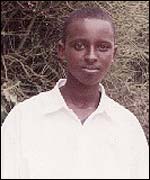
A few kilometres down the road is another village, Nyamata, and another bloodstained church which has been turned into a genocide memorial. Romain Ngoga, now a boy of 16, was one of only two people to survive that massacre. Terrified, he watched as the adults in the church, including his mother were hacked to death with machetes and clubs. "Then they started killing the children by dashing them against the walls," he said.
"A nun came to see who was crying and she took me and the other boy who was still alive." Romain says he thinks gacaca is a good thing. "The killers will come and confess, and if they ask for a pardon they'll be pardoned," he said. | |
See also:  18 Jun 02 | Africa 18 Jun 02 | Africa 12 Jun 02 | Africa 21 Mar 02 | Africa 14 Feb 02 | Africa 17 Jun 02 | Africa Internet links: The BBC is not responsible for the content of external internet sites Top Africa stories now: Links to more Africa stories are at the foot of the page. | |||||||||||||||||||||||||||||||||||||||||||||||||||||||||||||||||||||||||||||||||||||||||||||||||||||||||||||||||||||||||||||||||||||||||||||||||||||||||||||||||||||||||||||||||||||
| |
|  E-mail this story to a friend E-mail this story to a friend |
| |
| Links to more Africa stories |
| | | ||
 | ||||
 | | Back to top
| ||
| ---------------------------------------------------------------------------------- To BBC Sport>> | To BBC Weather>> | To BBC World Service>> ---------------------------------------------------------------------------------- © MMIII | News Sources | Privacy |