|
 |
 | | | | | | |||||||||||||||||||||||||||||||||||||||||||||||||||||||||||||||||||||||||||||||||||||||||||||||||||||||||||||||||||||||||||||||||||||||||||||||||||||||||||||||||
| | | You are in: Africa | |||||||||||||||||||||||||||||||||||||||||||||||||||||||||||||||||||||||||||||||||||||||||||||||||||||||||||||||||||||||||||||||||||||||||||||||||||||||||||||||||||
|
| | Wednesday, 23 October, 2002, 16:26 GMT 17:26 UK Elephant poaching 'rife in Central Africa' 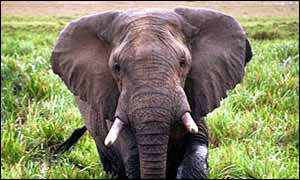 East African elephants are also at risk Elephant poaching is on the rise in Central Africa, according to a new study funded by the European Union. Elephant numbers have dramatically fallen in the Central African Republic and Gabon because they are being killed for their ivory, the study says.
Five Southern African nations with large elephant populations want the ivory trade ban to be lifted to allow a limited sell-off. But animal rights campaigners and countries such as Kenya oppose them, arguing that allowing even a limited trade in ivory will lead to an increase in poaching. Big business The French news agency, AFP, reports that the ivory from one elephant tusk can fetch 15,000 CFA francs ($22) - more than many local people earn in a month. Ivory prices have risen in recent years, the EU study said, from 2,000 CFA per kilo in 1997 to 8,000 CFA last year.
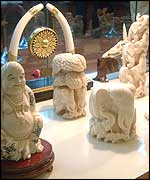
Ivory is smuggled from Central African capitals, such as Brazzaville, Kinshasa, Bangui and Libreville, to West Africa and Asia, where ivory ornaments are highly prized. Poaching has almost cut Congo's elephant population in half, from 50,000 in the 1990s to less than 30,000, according to Dominique Nsoso from the environment ministry. While in Gabon, poachers kill between 500 and 1,000 elephants a year out of a population of 20,000, the EU study said. 'Paying their way' "We have taken steps on a regional level to fight poaching in border areas, but the poachers still remain very active," Mr Nsoso said. The ivory trade was outlawed in 1989 after poachers had decimated elephant populations, especially in East Africa.
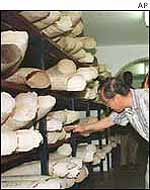
In 1999, Botswana, Namibia and Zimbabwe were allowed to hold a one-off sale of 60 tonnes of ivory to Japan. Now, South Africa and Zambia have joined their three neighbours in seeking to sell 80 tonnes of ivory from their stockpiles. There are some 242,000 elephants in southern Africa and they say they should not be punished for their sound elephant-protection policies. They argue that allowing elephants to "pay their way" by selling ivory is actually the best way of ensuring their survival in the long term. | | See also:  14 Oct 02 | Science/Nature 11 Oct 02 | Africa 09 Oct 02 | Africa 04 Oct 02 | Asia-Pacific 13 Jun 02 | Asia-Pacific 14 May 02 | Science/Nature Internet links: The BBC is not responsible for the content of external internet sites Top Africa stories now: Links to more Africa stories are at the foot of the page. | |||||||||||||||||||||||||||||||||||||||||||||||||||||||||||||||||||||||||||||||||||||||||||||||||||||||||||||||||||||||||||||||||||||||||||||||||||||||||||||||||
| |
|  E-mail this story to a friend E-mail this story to a friend |
| |
| Links to more Africa stories |
| | | ||
 | ||||
 | | Back to top
| ||
| ---------------------------------------------------------------------------------- To BBC Sport>> | To BBC Weather>> | To BBC World Service>> ---------------------------------------------------------------------------------- © MMIII | News Sources | Privacy |