|
 |
 | | | | | | |||||||||||||||||||||||||||||||||||||||||||||||||||||||||||||||||||||||||||||||||||||||||||||||||||||||||||||||||||||||||||||||||||||||||||||||||||||||||||||||||||||||||||||||||||||||||
| | | You are in: Africa | |||||||||||||||||||||||||||||||||||||||||||||||||||||||||||||||||||||||||||||||||||||||||||||||||||||||||||||||||||||||||||||||||||||||||||||||||||||||||||||||||||||||||||||||||||||||||||
|
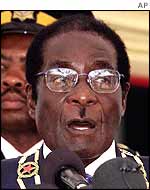
| | Wednesday, 3 July, 2002, 14:49 GMT 15:49 UK Zimbabwe opposition accused of sabotage Anti-government demonstrations have been repressed Police in Zimbabwe have accused the opposition of deliberately causing massive food shortages in a campaign of "economic sabotage" aimed at creating anarchy in the country. The police have seized food worth 37m Zimbabwe dollars (US$46,000) from black market traders who they say work for the opposition Movement for Democratic Change (MDC).
The police statement comes as Zimbabwe is suffering a severe food crisis due to a combination of the controversial land redistribution programme and the drought currently affecting Southern Africa. 'Scheming' But the police blame the food shortages on an alleged plot by the opposition. Sugar, salt, cooking oil and maize meal were seized at a time when all are in short supply in Zimbabwe's shops. "It is believed the underlying cause is economic sabotage, maliciously intended to discredit the lawfully elected government of Zimbabwe," says a police statement in the state-run Herald newspaper. "The artificial shortages, in the minds of detractors, would ferment or agitate the masses to engage in looting and defiance of the law," the police say.
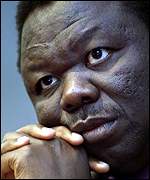
In turn, they say, that "would lead to an ungovernable state of anarchy, which would pave the way for the overthrow of the government". The police say they have erected roadblocks across the country "to cut off supply routes " in order to prevent the alleged illegal export of staples. They have also asked for more search prerogatives, and have suggested the government take control of food production and distribution to ensure "patriotic Zimbabweans" occupy key positions in strategic firms. Last week, Mr Mugabe warned that his government could take over National Foods, a subsidiary of Anglo-American, after he accused it of creating the shortage of salt. 'Authoritarianism' With the prices of some basic foods controlled by the government, some exporters are smuggling their produce abroad, where they can sell it for hard currency. In Zimbabwe, US$1 can raise Z$800 on the black market, compared to an official exchange rate of Z$55:US$1. The MDC, the strongest challenge to Mr Mugabe's regime since he came to power after independence 22 years ago, has rejected the accusations made by the police. MDC spokesman Learnmore Jongwe said the government appeared to be paving the way for a state of emergency, which would give the "increasingly authoritarian" Mr Mugabe even greater powers. Mr Mugabe's regime has recently tightened the laws relating to public order, the media and land reform.
Farmers, economists and foreign donors say that the land redistribution programme will worsen the country's food crisis. Up to six million Zimbabweans may need food aid this year, according to aid agencies. But Mr Mugabe says that giving land to poor black families will increase their living standards and enhance food security. | |
See also:  01 Jul 02 | Africa 02 Jul 02 | Africa 17 Jun 02 | Africa Internet links: The BBC is not responsible for the content of external internet sites Top Africa stories now: Links to more Africa stories are at the foot of the page. | |||||||||||||||||||||||||||||||||||||||||||||||||||||||||||||||||||||||||||||||||||||||||||||||||||||||||||||||||||||||||||||||||||||||||||||||||||||||||||||||||||||||||||||||||||||||||
| |
|  E-mail this story to a friend E-mail this story to a friend |
| |
| Links to more Africa stories |
| | | ||
 | ||||
 | | Back to top
| ||
| ---------------------------------------------------------------------------------- To BBC Sport>> | To BBC Weather>> | To BBC World Service>> ---------------------------------------------------------------------------------- © MMIII | News Sources | Privacy |