|
 |
 | | | | | | ||||||||||||||||||||||||||||||||||||||||||||||||||||||||||||||||||||||||||||||||||||||
| | | You are in: UK: Wales | ||||||||||||||||||||||||||||||||||||||||||||||||||||||||||||||||||||||||||||||||||||||||
|
| | Saturday, 1 February, 2003, 10:09 GMT Clean rivers prompts wildlife growth  River wildlife can reveal whether pollution exists Rivers running through Wales are getting cleaner, that is according to the latest figures from the Environment Agency. During recent tests the largest number of invertebrates, which indicate high water quality, were scooped from the bed of a river in village of Llangyndeyrn, Carmarthenshire.
The River Gwendraeth Fach was found to be the healthiest in south west Wales - and the second best in Wales. The result will now be used in a new official government index of river quality. Graham Rutt, ecological appraisal scientist with the Environment Agency Wales, said: "I was quite surprised by the kind of variety we collected. "This is the highest-ever recorded by the agency in south west Wales and is one of the highest reported anywhere in England and Wales." He added: "Such remarkable bio-diversity indicates a good standard of water quality and a variety of natural habitats within the river." Experts will return to the river in two or three years to keep a check on the water quality.
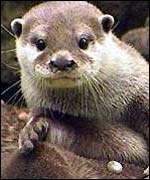
There are 290 sites monitored in the south west Wales region and teams go out and collect samples for laboratory analysis from a third of them every year. Mr Rutt said the return of otters to rivers - as well as dippers - can indicate good river quality. But he added: "It's not just the cleanliness of the river, the range of habitats available is also important. "This site shows a good range of habitats," said Mr Rutt whose team found freshwater shrimps, mayflies, stoneflies and caddis living amongst the gravel, stones and plants of the River Gwendraeth Fach. He said Welsh river quality has improved greatly in the last 20 years due to improved effluent treatment and the decline in heavy industry. Project's success Another project in the region has seen an Environment Agency Wales team helping to create a mine-water treatment systems on the River Pelenna near Neath. By trying to reduce the amount of iron deposition in the river, experts have seen fish populations improve and dipper birds moving in. The project started in the mid-90s and a 2001/2002 survey revealed the birds were making the area their home. "Before the system was introduced there was no dippers, now we have five pairs," he added | |   See also: 03 Oct 02 | Science/Nature 05 Nov 01 | Science/Nature 23 Jul 02 | Wales 29 Apr 02 | Wales 26 Feb 02 | Wales Internet links: The BBC is not responsible for the content of external internet sites Top Wales stories now: Links to more Wales stories are at the foot of the page. | ||||||||||||||||||||||||||||||||||||||||||||||||||||||||||||||||||||||||||||||||||||||
 | |
|  E-mail this story to a friend E-mail this story to a friend |
| |
| Links to more Wales stories |
| | | ||
 | ||||
 | | Back to top
| ||
| ---------------------------------------------------------------------------------- To BBC Sport>> | To BBC Weather>> | To BBC World Service>> ---------------------------------------------------------------------------------- © MMIII | News Sources | Privacy |




 It's not just the cleanliness of the river, the range of habitats available is also important