|
 |
 | | | | | | |||||||||||||||||||||||||||||||||||||||||||||||||||||||||||||||||||||||||||||||||||||||
| | | You are in: UK: Wales | |||||||||||||||||||||||||||||||||||||||||||||||||||||||||||||||||||||||||||||||||||||||||
|
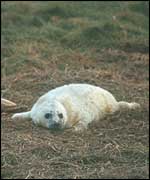
| | Saturday, 21 September, 2002, 13:41 GMT 14:41 UK Pupping season begins for island seals 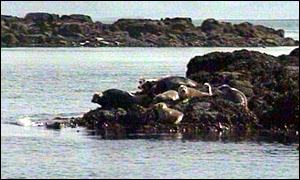 Hundreds of pups will be born by the end of the season Seal pups born in waters in Pembrokeshire are said to be "doing well" despite the threat of a killer virus which has claimed the lives of thousands. The 70 pups - born on the Skomer Marine Nature Reserve this season - and the rest of the 5,000-strong colony were given a clean bill of health on Friday.
However, Dr Malcolm Smith, a scientist for the Countryside Council for Wales (CCW) who check the health of the grey seals, warned the virus could still strike. The illness - caused by the phocine distemper virus (PDV) - has killed one third of the seal population in the south east of England and hit colonies in several northern Europe countries. Dr Smith from the CCW said: "Pembrokeshire's colony of grey seals is of international importance, and we have a responsibility to ensure the environment is being managed to suit their needs. "They are key indicators of the health of our incredibly important and rich marine environment here in Wales."
"Thankfully, there is no sign in Wales of the phocine distemper virus, which recently struck common seals on the UK's east coast. "It could still arrive, so constant vigilance is essential." The disease was last seen in Europe in 1988, when more than 18,000 seals were wiped out. The virus, which is not harmful to humans, causes symptoms of lethargy and runny eyes and nose in seals who contract it. It is a highly contagious disease and attacks the immune system of the animal. The west Wales coast is home to one of the largest populations of grey seals in Europe. By the end of the pupping season about 220 seals will have been born in the Skomer reserve - out of a total of 900 pups expected in the Pembrokeshire area. There is no known treatment for the virus, and no way of preventing it. | |   See also: 13 Aug 02 | UK 14 Aug 02 | Wales 12 Jul 02 | Science/Nature 31 Jul 02 | Europe 19 Sep 02 | England 18 Sep 02 | England Internet links: The BBC is not responsible for the content of external internet sites Top Wales stories now: Links to more Wales stories are at the foot of the page. | |||||||||||||||||||||||||||||||||||||||||||||||||||||||||||||||||||||||||||||||||||||||
| |
|  E-mail this story to a friend E-mail this story to a friend |
| |
| Links to more Wales stories |
| | | ||
 | ||||
 | | Back to top
| ||
| ---------------------------------------------------------------------------------- To BBC Sport>> | To BBC Weather>> | To BBC World Service>> ---------------------------------------------------------------------------------- © MMIII | News Sources | Privacy |