|
 |
 | | | | | | |||||||||||||||||||||||||||||||||||||||||||||||||||||||||||||||||||||||||||||||||||||||||||||||||||||||||||||||||||||||||||||||||||||||||||||||||
| | | You are in: Science/Nature | |||||||||||||||||||||||||||||||||||||||||||||||||||||||||||||||||||||||||||||||||||||||||||||||||||||||||||||||||||||||||||||||||||||||||||||||||||
|
| | Friday, 12 July, 2002, 14:51 GMT 15:51 UK North Sea seals at risk 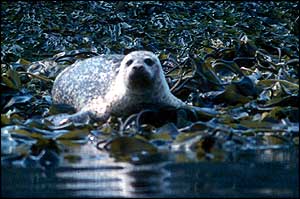 Common seals are in danger again: About half died in 1988 (Image SMRU)
More than 1,400 dead seals have been found along the coasts of Scandinavia and the Netherlands in the last two months.
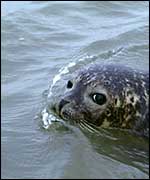
Researchers believe few seals in the affected area have acquired immunity to PDV from the 1988 epidemic. Reporting their work in the journal Science, they say this outbreak began in early May on Anholt, an island off the east coast of Denmark where the earlier epidemic started. Hard to predict They report a total of more than 700 dead common seals (known also as harbour seals) in Denmark, Sweden and the Netherlands. But these figures in the journal are already out of date. On 11 July, the scientists reported on the Common Wadden Sea Secretariat's website that more than 1,400 dead animals had been recorded in Scandinavia and nearly 60 on the Dutch coast. They wrote then: "The mortality of harbour seals during the 1988 outbreak in the above areas was estimated at 40 to 60 % of the population. "It is hard to predict how many seals will die during the current PDV epidemic and this will depend on different factors, including acquired immunity, pollutant load, and general health status." There are no reports of unusual seal mortality in Norway or the Baltic. Crucial delay The 1988 epidemic killed more than 18,000 European common seals, including some in UK waters.
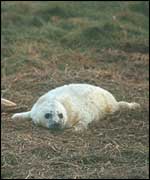
The disease appeared in the UK about four months after being found in Denmark. Grey seals - which are in fact more abundant than common seals - were also exposed to PDV in 1988, though few died. They are thought able to carry the virus. The lead author of the Science article is Professor Albert Osterhaus, of the Seal Rehabilitation and Research Centre in the Netherlands. He and his colleagues say: "The current sequence of events parallels the early pattern of the 1988 outbreak. "The rapid spread of this high-mortality disease may be explained by the migratory behaviour of common seals, which may travel hundreds of kilometres within days." In the balance They estimate that in the Wadden Sea, off the Netherlands, "at the very most, one-fifth of the current seal population may have specific immunity to PDV resulting from the 1988 epidemic". On the present outbreak, they conclude: "The recent reappearance of PDV in this largely susceptible northern European seal population may allow its rapid spread with devastating consequences."
It attacks the white blood cells, which become more susceptible to chance infections. Dr Ailsa Hall is a research biologist at the Sea Mammal Research Unit (SMRU), University of St Andrews, UK. She told BBC News Online: "We don't think PDV is a risk to dogs, but owners should keep them away from any dead seals they find. "It's impossible to say whether this will affect UK animals - it could still go either way. No protection "We're working with other people, including the Institute of Zoology's dead cetaceans scheme, nature reserve wardens, and animal and bird charities, to keep an eye out for any dead or diseased seals. "Their breeding season finishes around the end of July, and after that they may start moving around much more." SMRU says vaccinating seals would be difficult "because there is unlikely to be sufficient vaccine, and it would require the capture of large numbers of wild animals". The UK Department for Environment, Food and Rural Affairs told BBC News Online it had no plans to vaccinate seals. | | See also:  10 Jun 02 | UK 25 Feb 02 | Science/Nature 10 May 01 | Science/Nature Internet links: The BBC is not responsible for the content of external internet sites Top Science/Nature stories now: Links to more Science/Nature stories are at the foot of the page. | |||||||||||||||||||||||||||||||||||||||||||||||||||||||||||||||||||||||||||||||||||||||||||||||||||||||||||||||||||||||||||||||||||||||||||||||||
| |
|  E-mail this story to a friend E-mail this story to a friend |
| |
| Links to more Science/Nature stories |
| | | ||
 | ||||
 | | Back to top
| ||
| ---------------------------------------------------------------------------------- To BBC Sport>> | To BBC Weather>> | To BBC World Service>> ---------------------------------------------------------------------------------- © MMIII | News Sources | Privacy |