
|
 |
 | | | | | | ||||||||||||||||||||||||||||||||||||||||||||||||||||||||||||||||||||||||||||||||||||
| | | You are in: UK: Scotland | ||||||||||||||||||||||||||||||||||||||||||||||||||||||||||||||||||||||||||||||||||||||
|
| | Wednesday, 14 August, 2002, 13:02 GMT 14:02 UK Seal virus fears grow 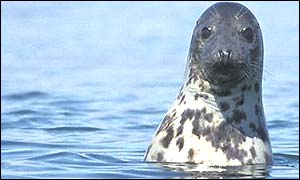 The seal distemper could spread to Scotland A virus which killed thousands of seals in the 1980s could return to Scottish waters, experts have warned. The warning came after five seals washed up off the east coast of England were found to have died from the phocine distemper virus (PCV). The last outbreak of PCV in 1988 killed an estimated 13,000 in Scotland, as well as thousands more in other parts of Britain and northern Europe. Mark Steward, curator of marine mammals at the Scottish Sea Life Sanctuary in Oban, Argyll and Bute, said a similar number could die this year. Erratic progress The spread of the virus, which has already hit Scandinavia, Holland and northern France, has followed a similar pattern to the 1988 outbreak, which slashed the seal population by up to 60% in some waters. Mr Steward said: "I think everyone needs to brace themselves for the fact that it will definitely arrive in Scotland. "The spread from the Baltic to the east coast via the Waddenzee in Holland has followed exactly the same timescale as last time. "Last time it arrived in the UK in July and dead seals were being washed up in Orkney at the beginning of August, so we would expect PDV to spread to Scotland within the next month." He added that the erratic progress of the disease in Scotland - the east and west coasts were struck almost simultaneously - made it hard to predict how it would develop this year. No health risk The governments in Scotland and the UK have already invested �250,000 in a project to learn more about the virus, which was unknown at the time of the 1988 outbreak. It took 12 years for the seal population to return to its pre-1988 figures, but Scotland's seals were less badly hit than those in other parts of Europe where their immune systems had been damaged by organo-chlorine pollution. Mr Steward said the disease posed no health risk to humans, but warned people to stay away from dead or sick seals. The illness is related to canine distemper, meaning dogs can act as carriers and unwittingly pass it on to healthy seals, although they will not be infected themselves. | | See also:  14 Aug 02 | Science/Nature 27 Jul 02 | Science/Nature 12 Jul 02 | Science/Nature 10 Jun 02 | UK 10 May 01 | Science/Nature Internet links: The BBC is not responsible for the content of external internet sites Top Scotland stories now: Links to more Scotland stories are at the foot of the page. | ||||||||||||||||||||||||||||||||||||||||||||||||||||||||||||||||||||||||||||||||||||
| |
|  E-mail this story to a friend E-mail this story to a friend |
| |
| Links to more Scotland stories |
| | | ||
 | ||||
 | | Back to top
| ||
| ---------------------------------------------------------------------------------- To BBC Sport>> | To BBC Weather>> | To BBC World Service>> ---------------------------------------------------------------------------------- © MMIII | News Sources | Privacy |



