|
 |
 | | | | | | ||||||||||||||||||||||||||||||||||||||||||||||||||||||||||||||||||||||||||||||||||||||||||||||||||||||||||||||
| | | You are in: UK: Politics | ||||||||||||||||||||||||||||||||||||||||||||||||||||||||||||||||||||||||||||||||||||||||||||||||||||||||||||||||
|
| | Friday, 21 June, 2002, 10:37 GMT 11:37 UK UK asylum sanction rethink Asylum is being treated as an EU-wide problem
A growing controversy over plans to link European Union aid to efforts in poorer countries to tackle the root causes of illegal immigration seems to have prompted an 11th hour rethink. The proposals were due to be considered by European leaders at their summit underway in Seville.
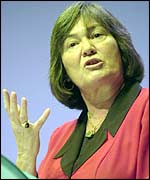
They feared such a move would cause more problems than it would solve besides arguing that it is impractical. International Development Secretary Clare Short - known for speaking her mind - had described the idea as "morally repugnant". High volume The proposal was floated by Home Secretary David Blunkett when he met with his European counterparts in Luxembourg last week.
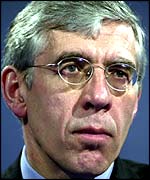
Particular countries have tended to produce high volumes of economic migrants and refugees. EU countries provide a major draw to people leaving their homes either through fear, war or simply because they want a better chance in life. But member states have yet to develop a common policy. The UK government wants a series of joint measures implemented including tough border controls, a common system of dealing with asylum applications and implementing some form of sanctions towards countries that do nothing to tackle the problem. Attaching conditions to aid is known in EU jargon as "positive conditionality". Human rights Foreign Secretary Jack Straw indicated a shift away from the original suggestion that aid would be cut on his way to the Seville conference. "It's not about cutting aid," he said. "There's a lot of conditionality anyway as far as aid payments are concerned, quite rightly, as they come from British and EU taxpayers," he said. Another example of conditionality is where aid is linked to human rights. The UK government has said that where countries are unable to find ways of stopping their citizens leaving they could at least ensure people whose applications for asylum fail are taken back and "properly accommodated". The European Union has been criticised in the past for giving less than half its overseas aid budget to the poorest countries in the world.
They claimed that the aid programme was "skewed" towards "middle income" countries such as Bosnia and Yugoslavia, for political reasons. Poorer developing countries were consequently missing out. "In our view too much European development assistance is allocated to middle income countries on the basis of political priorities and the wish to foster stability in the countries surrounding the EU - the 'near abroad' - rather than in order to eliminate poverty," the report said. One thing that correspondents are agreed on at the conference - and that is the issue of sanctions are one of the most divisive issues in Seville. | |
See also:  20 Jun 02 | Europe 13 Jun 02 | UK Politics 23 Apr 02 | UK Politics Internet links: The BBC is not responsible for the content of external internet sites | ||||||||||||||||||||||||||||||||||||||||||||||||||||||||||||||||||||||||||||||||||||||||||||||||||||||||||||||
| |
|  E-mail this story to a friend E-mail this story to a friend |
| |
|
| | | ||
 | ||||
 | | Back to top
| ||
| ---------------------------------------------------------------------------------- To BBC Sport>> | To BBC Weather>> | To BBC World Service>> ---------------------------------------------------------------------------------- © MMIII | News Sources | Privacy |