|
 |
 | | | | | | ||||||||||||||||||||||||||||||||||||||||||||||||||||||||||||||||||||||||||||||||||||||||||||||||||||||||||||||||||||||||||||||||||||||||||||||||||||||||||||||||||||||||||||||||||
| | | You are in: UK: England | ||||||||||||||||||||||||||||||||||||||||||||||||||||||||||||||||||||||||||||||||||||||||||||||||||||||||||||||||||||||||||||||||||||||||||||||||||||||||||||||||||||||||||||||||||||
|
| | Tuesday, 28 January, 2003, 18:08 GMT Tube shutdown prolongs commuter chaos  The two Tube lines may stay closed until Friday London commuters face further travel chaos following the closure of two Tube lines after Saturday's train derailment. The Central Line, on which the crash happened, and the Waterloo and City Line will remain closed on Tuesday and may not re-open until Friday, London Underground (LU) has said. To add to the disruption, underground stations with lifts will also be closed as firefighters stage a 48-hour walkout from 0900 GMT on Tuesday. The Central Line is one of the capital's main arteries and the Tube's longest line, with 49 stations - including Bond Street and Oxford Circus. Between them the two lines carry 600,000 passengers a day.
On Monday morning, passengers crowded on to other lines and there were more travellers than usual on the Jubilee, Northern and District Lines. At peak rush hour, 72 trains usually run on the Central Line and its closure is causing problems for commuters heading to the City stations of Bank, Liverpool Street and Holborn. At least 32 people were injured in Saturday afternoon's crash when a train jumped the tracks and hit a wall at Chancery Lane station. On Sunday, union leaders called for a public inquiry after Tube bosses admitted mechanical problems with this type of train.
Initial investigations suggested a faulty motor may have caused the accident. The trains on the Central Line are less than 10 years old and are inspected every five days. The derailed train had been examined on Thursday, but the whole fleet is now undergoing further checks. LU hoped to move the train from the tunnel on Monday, using a battery-operated train.
However, it warned trains would not run between Holborn and Liverpool Street for "a number of weeks". All 85 trains now under scrutiny were built between 1991 and 1994 and entered service on the Waterloo and City Line in 1993 and on the Central Line between 1993 and 1995. 'Driver reported fault' The RMT union said the driver had reported a fault about eight stations before Chancery Lane but had been told to continue with the journey. The train was about to be taken out of service at Holborn, the next station after Chancery Lane. Mick Rix, general secretary of the train drivers union Aslef, said all safety work under the controversial Public Private Partnership (PPP) should now be suspended. LU have stressed the section of track on which the accident happened was maintained by a wholly-owned subsidiary, not a private contractor. Particular problem But Liberal Democrat London affairs spokesman Tom Brake called on LU and the government to prove the shadow running of PPP on the Central Line had not contributed to the accident. LU said drivers were responsible for their trains and could refuse to continue a journey if they thought there was a problem.
But RMT general secretary Bob Crowe called this a "blatant lie". The RMT said one of its members lodged a complaint just a week ago about being threatened with disciplinary action for refusing to move a train after he heard banging noises. And it had a string of employment tribunal cases involving Tube staff sent home without pay for allegedly refusing to move trains on safety grounds during strikes by firefighters. Mr Crowe said RMT members had been placed under "intolerable pressure" by "the crazy financial performance regime under which fines are levied for late running". Your reaction I am a regular traveller on the central line in West London. Whilst I accept that it was a serious incident on Saturday the resumption of services is taking far too long. 600,000 people use this line every day - just think about the disruption this is causing. It seems that all parties have to get their two pence in before anybody takes the responsibility for getting the train moved off the track - it is still there after two days !!! Can somebody get their act together and at least process some trains so that a section of the central line gets back into service quickly. Waterloo was extremely crowded at 9.30am (people were being held back on the station concourse and not allowed underground for safety reasons) but everyone seemed to melt away when I headed for Bank - I took the route that LU recommended, via Elephant & Castle and the Northern Line, and it was almost deserted until the last couple of stops.
Martin, UK Does anyone else have a sense of deja-vu about this? It seems horribly reminiscent of the spate of accidents that occurred on the railways as they were being "rationalised" prior to privatisation. When will someone make the argument that the Underground is a public good, and therefore should not and cannot pay for itself through ticket sales? It pays for itself by moving five million workers and tourists around London every day, and therefore should be centrally funded to the level it needs to function safely. This PPP is not about bringing private sector efficiencies to a bloated inefficient public sector dinosaur, it's about reducing the state's liabilities and outgoings. Personally I am quite happy to think of a small portion of my taxes being "wasted", if it means that I can travel to my destination safely and punctually. No other city I have lived in has this ludicrous approach to collective goods. The Tube needs a large investment over a long period of time to modernise and develop its service. By doing this it should help relieve future rush hour congestion. Simple eh! The idea that this can only be done via some bizarre market forces mechanism of the PFI is in my view madness. It will cost more money than if the state funded it directly and honestly. The reason we are not doing this is due to the Treasury and its ideology.
Steve Sloboda, UK The statement that drivers could refuse to continue a journey if they thought it unsafe absolutely reeks of gutless management. The driver clearly thought there was a problem, that's why he reported it. LU decided they could safely ignore his opinion, and now they don't want to accept responsibility for that judgement. Safety should come first in a hostile environment - underground in a tunnel with lethal voltages inches under the floor of the train. LU should be big enough to own up that they got it wrong in this instance. Their evasion of responsibility doesn't fill me with confidence when I get on a tube.
Elizabeth, UK I noticed there were far more people walking today, as I walk from Waterloo to the city every day in order to avoid the tube! To avoid further unnecessary congestion at Waterloo (very congested this morning), it would be good if SWT staff could not insist on having six ticket checkers on each gate. When the trains are already late and platforms crowded this just causes more bad feeling and delay. We are paying for not having a Paris type RER system in London. Most cross town journeys would be greatly shortened and a lot of traffic taken off the tubes if we had the same system as Paris with rapid East-West, South-North lines that call only at key stations. And it would help a lot in incidents like this one on the Central line. We do have the pilot for such a system - Thameslink - but what do our planners do - reduce the service during rush hours!
I speak as one who is uses public transport daily but am concerned about the burden that Ken will add to the system from Feb, with no associated investment in our tube/rail network to support the influx. Clearly no one is capable of giving Londoners the commitment or investment they warrant. Injury or loss of life (as witnessed on our national rail network) is insufficient incentive to sort this out? What WILL it take? Martin Evans, UK What an outrageous comment made by LU to say "...that drivers were responsible for their trains and could refuse to continue a journey if they thought there was a problem." It's typical of this country and especially of transport to "pass the buck" and blame everybody but themselves. At the end of the day, it is LU's responsibility, not the drivers driving the trains! All forms of public transport should have remained in the Public Sector. Since conversion to the private sector we have seen the demise of the well established bus building industry and chassis manufacturers in the UK, an increase in fares and no improvements to services but an increase in the use of cars in order to conduct our lives because public transport has failed. | |
See also:  28 Jan 03 | England 27 Jan 03 | UK 27 Jan 03 | England 23 Jan 03 | England 03 Feb 02 | Politics Internet links: The BBC is not responsible for the content of external internet sites Top England stories now: Links to more England stories are at the foot of the page. | ||||||||||||||||||||||||||||||||||||||||||||||||||||||||||||||||||||||||||||||||||||||||||||||||||||||||||||||||||||||||||||||||||||||||||||||||||||||||||||||||||||||||||||||||||
 | |
|  E-mail this story to a friend E-mail this story to a friend |
| |
| Links to more England stories |
| | | ||
 | ||||
 | | Back to top
| ||
| ---------------------------------------------------------------------------------- To BBC Sport>> | To BBC Weather>> | To BBC World Service>> ---------------------------------------------------------------------------------- © MMIII | News Sources | Privacy |






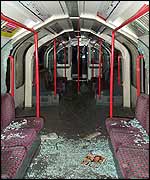
 Facts are now starting to emerge about the crash