|
 |
 | | | | | | ||||||||||||||||||||||||||||||||||||||||||||||||||||||||||||||||||||||||||||||||||||||||||||||||||||||||||
| | | You are in: UK | ||||||||||||||||||||||||||||||||||||||||||||||||||||||||||||||||||||||||||||||||||||||||||||||||||||||||||||
|
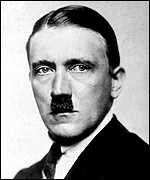
| | Friday, 14 June, 2002, 23:00 GMT 00:00 UK Sir Ian Kershaw: Dissecting Hitler Sir Ian Kershaw: pioneering historian of Nazism The knighthood awarded to Professor Ian Kershaw is just the latest in a long line of plaudits for the best-selling historian, explains Andrew Walker of the BBC's News Profiles Unit. Ian Kershaw, professor of modern history at Sheffield University, is widely regarded as the world's leading expert on Adolf Hitler and the Third Reich. His magisterial two-volume biography of the dictator, titled Hubris and Nemesis respectively, has redefined the way we look at that darkest of eras. Born in Oldham, Lancashire, in 1943, the son of a mechanic in the Royal Air Force, he was initially educated at a local Roman Catholic primary school. He admits that, at first, "I never thought of myself as academically able." But he passed the 11-plus examination and went on to a predominantly Protestant grammar school.
For history A level, he was taught by a Catholic priest, Father Burke. The experience was to change the young Ian Kershaw's life. "He was brilliant," Sir Ian told said in an interview. "When teaching the Reformation, he gave such a loaded Catholic interpretation that I was forced into the reference library in order to challenge him." "Real-ale addict" Ian Kershaw went on to Liverpool University and found himself in a history department full of medieval scholars, becoming an expert in the period himself. A self-confessed "real-ale addict", Sir Ian was particularly fascinated by an account book from Bolton Priory in the Yorkshire Dales. The document detailed how a monastic community of 20 people managed a community which consumed some 60,000 gallons of ale a year. His undergraduate analysis of the manuscript paved the way for his later triumphs.
Stunned by an aging Nazi's remark that "the Jew is a louse", he decided to do some research on the social history of the Nazism. He abandoned his work on the medieval period and moved to teach modern history at Manchester and then Sheffield, universities. Books including The Nazi Dictatorship and The Hitler Myth have become central texts for students around the world. But it was his decade of work on Hitler, which transformed both the study of the dictator and the reputation of the academic. Sir Ian rejected the "great man" theory of history. Instead, he focused on the social climate which surrounded Hitler which made his rise to power that much easier - but also would help precipitate his eventual destruction.
He was among the first academics to debunk the myth of the highly-organised party machine. Underlings and minions were given carte blanche for terror as they competed to win favour with Hitler. As for Hitler himself, Sir Ian described him as a man without an inner life, viewing his domain with "abstract brutality." Completing the work, which is set to be televised by the American CBS network, was a great relief to Sir Ian. "I can't tell you how happy I was when that bullet finally went through that bloke's head," he quipped. There is no doubt that millions would agree with him on that. | |
Top UK stories now:  Links to more UK stories are at the foot of the page. | ||||||||||||||||||||||||||||||||||||||||||||||||||||||||||||||||||||||||||||||||||||||||||||||||||||||||||
| |
|  E-mail this story to a friend E-mail this story to a friend |
| |
| Links to more UK stories |
| | | ||
 | ||||
 | | Back to top
| ||
| ---------------------------------------------------------------------------------- To BBC Sport>> | To BBC Weather>> | To BBC World Service>> ---------------------------------------------------------------------------------- © MMIII | News Sources | Privacy |