|
 |
 | | | | | | ||||||||||||||||||||||||||||||||||||||||||||||||||||||||||||||||||||||||||||||||||||||||||||||||||||||||||||||||||||||||||||||||||||||||||||||||||||||||||||||||||||||||||||||||||||||||
| | | You are in: South Asia | ||||||||||||||||||||||||||||||||||||||||||||||||||||||||||||||||||||||||||||||||||||||||||||||||||||||||||||||||||||||||||||||||||||||||||||||||||||||||||||||||||||||||||||||||||||||||||
|
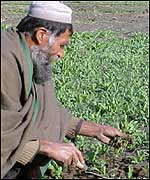
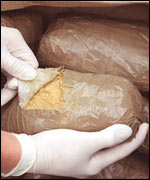
| | Wednesday, 15 January, 2003, 16:27 GMT Opium's rising value hits drugs war  Much of Europe's heroin comes from Afghanistan
Antonio Costa was speaking to the BBC in London, where he is holding talks with the UK Government, which is co-ordinating international efforts to stamp out illicit drugs production in Afghanistan.
The latest price increase is likely to pose an additional challenge to Mr Costa's agency and to Afghan President Hamid Karzai, who imposed a comprehensive ban on drug production and trafficking shortly after taking power a year ago. No one it seems, can fully explain why the price of Afghan opium has suddenly shot up. Split profits Some say it could be because farmers are uncertain about how far Afghanistan's central government will be able to enforce its ban on cultivation. Mr Costa said there are indications that Afghan farmers have been staggering or delaying planting for this year's harvest, possibly because of a perceived increase in risk. It was too early to estimate how big the 2003 harvest would be, he said, but his office did not see a significant decline.
"There are dangerous connotations. One is the fact that at such very high prices there is very little possibility of offering farmers incentives for alternative licit cultivations - no agricultural commodity can command a price of $600 per kilo," he said. "Second, such very high prices generate a very high revenue - the revenue is partly kept by the farmer, to some extent is shared with local warlords or provincial governors or local commanders." Long haul Last autumn, the UN reported that poppy harvests in Afghanistan had increased 18-fold in 2002 after a dramatic drop the year before following a Taleban ban on production. Farmers had taken advantage of a power vacuum before the collapse of the Taleban in 2001 to plant the crop. Mr Costa said that this large harvest, combined with the price rises meant that poppy production in Afghanistan may have generated around $1.2bn in 2002 - far more than in previous years. It is vital, he said, not only to offer farmers robust incentives to stop illicit planting, but to work with local authorities to ensure that cultivation becomes more risky.
His agency is expecting to expand a number of initiatives in Afghanistan and neighbouring countries this year. Nevertheless, Mr Costa says,, he expects it to be a long haul. Similar drugs eradication programmes in other countries have taken around 10-15 years. Afghanistan is currently the world's largest producer of illicit opium, accounting for almost three-quarters of global opium production. | |
See also:  19 Aug 02 | South Asia 25 Jul 02 | South Asia 23 Jul 02 | South Asia 04 Oct 01 | South Asia 12 Dec 02 | UK 26 Sep 02 | South Asia Internet links: The BBC is not responsible for the content of external internet sites Top South Asia stories now: Links to more South Asia stories are at the foot of the page. | ||||||||||||||||||||||||||||||||||||||||||||||||||||||||||||||||||||||||||||||||||||||||||||||||||||||||||||||||||||||||||||||||||||||||||||||||||||||||||||||||||||||||||||||||||||||||
 | |
|  E-mail this story to a friend E-mail this story to a friend |
| |
| Links to more South Asia stories |
| | | ||
 | ||||
 | | Back to top
| ||
| ---------------------------------------------------------------------------------- To BBC Sport>> | To BBC Weather>> | To BBC World Service>> ---------------------------------------------------------------------------------- © MMIII | News Sources | Privacy |






 No agricultural commodity can command a price of $600 per kilo