|
 |
 | | | | | | |||||||||||||||||||||||||||||||||||||||||||||||||||||||||||||||||||||||||||||||||||||||||||||||||||||||||||||||||||||||||||||||||||||||||||||||||||||||||||||||||||||||||||||||||||||||||||||||||||||||||||||||
| | | You are in: South Asia | |||||||||||||||||||||||||||||||||||||||||||||||||||||||||||||||||||||||||||||||||||||||||||||||||||||||||||||||||||||||||||||||||||||||||||||||||||||||||||||||||||||||||||||||||||||||||||||||||||||||||||||||||
|
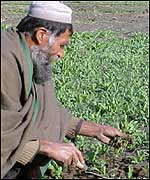
| | Monday, 19 August, 2002, 02:19 GMT 03:19 UK Poppy production soars in Afghanistan 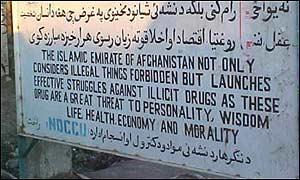 The Taleban took a stand against opium in 2000 United Nations drug officials say the new Afghan Government has largely failed in its efforts to eradicate the opium poppy crop. A UN spokesman, Hector Maletta, said a government campaign, launched in April, had had a very limited impact. The announcement confirms reports earlier this year that hardly any opium poppies had been destroyed despite government assurances.
The UN says production levels are now close to those of the late 1990s before the Taleban banned poppy cultivation entirely. In those days Afghanistan was the world's largest producer of opium, supplying 70% of the world's supply. Ineffectual ban Opium poppies provide a quick cash crop for farmers who are often struggling to survive. The Taleban banned poppy cultivation in 2000. amd the UN and US drug agencies say that this meant an almost total halt to opium growing in the 2001 season.
The interim government of President Hamiz Karzai banned the production in January this year but, according to the UN report, most of this year's opium crop had been already planted by then. Three months later, the authorities announced an eradication programme. The government said the farmers would be paid compensation of $1,250 per hectare for destroying their crops. But the UN says this was only a fraction of the estimated $16,000 per hectare of gross income which a farmer can earn. Wheat affected The UN report says that 90,000 hectares of poppy were planted this year, and 60,000 to 70,000 hectares will have been harvested by the end of the year. The move back into poppy production has also reduced the area of irrigated wheat by about 10%. Recently Mr Karzai repeated his government's committment to eradicating the drug crop. But the UN specialists are not so optimistic - they are predicting an even larger crop next year. "The returns and employment opportunities are high and the risks are seen to be low given the large numbers of farmers involved and the perceived improbability of prosecutions," concluded the report. | |
See also:  20 Apr 02 | South Asia 11 Apr 02 | South Asia 08 Apr 02 | South Asia 05 Apr 02 | Business 27 Feb 02 | South Asia 22 Jul 02 | South Asia 09 Apr 02 | South Asia 21 Feb 02 | South Asia 04 Oct 01 | South Asia Internet links: The BBC is not responsible for the content of external internet sites Top South Asia stories now: Links to more South Asia stories are at the foot of the page. | |||||||||||||||||||||||||||||||||||||||||||||||||||||||||||||||||||||||||||||||||||||||||||||||||||||||||||||||||||||||||||||||||||||||||||||||||||||||||||||||||||||||||||||||||||||||||||||||||||||||||||||||
| |
|  E-mail this story to a friend E-mail this story to a friend |
| |
| Links to more South Asia stories |
| | | ||
 | ||||
 | | Back to top
| ||
| ---------------------------------------------------------------------------------- To BBC Sport>> | To BBC Weather>> | To BBC World Service>> ---------------------------------------------------------------------------------- © MMIII | News Sources | Privacy |