|
 |
 | | | | | | ||||||||||||||||||||||||||||||||||||||||||||||||||||||||||||||||||||||||||||||||||||||||||||||||||||||||||||||||||||||||||||||||||||||
| | | You are in: Science/Nature | ||||||||||||||||||||||||||||||||||||||||||||||||||||||||||||||||||||||||||||||||||||||||||||||||||||||||||||||||||||||||||||||||||||||||
|
| | Wednesday, 22 January, 2003, 17:54 GMT Britain's space strategy revealed  Britain will continue to focus its space efforts on benefits to the economy for the immediate future. Satellites for television and navigation are at the heart of its plans for the next three years. Science minister Lord Sainsbury unveiled the government's draft strategy at a news conference in London.
"This is all about how we use space now on the ground. Space produces substantial benefits to society," he added. He cited television, telecommunications, personal navigation and detailed monitoring of the environment among a host of key areas. No go The strategy will come as no surprise to analysts.
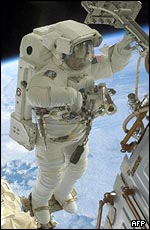
The UK will carry on its collaboration with the European Space Agency on missions such as Beagle 2 and the delayed Rosetta comet probe. It still has no intention of committing resources to the International Space Station (except selected experiments) and especially not to manned spaceflight - something which has attracted criticism. Too sensible? When the British-born astronaut Piers Sellers flew on the ISS last year, his exploits generated huge excitement in his native country. Likewise, UK-born Michael Foale will attract major media attention later this year when he takes command of the orbiting outpost. But both men are only able to go into space because they have taken out US citizenship - they fly as Americans. The think-tank Demos has called on the Government to support projects that will capture the public imagination, such as funding truly British astronauts. Post-Sputnik generation "The British National Space Centre (BNSC) has identified three sensible areas for the British space programme to concentrate on," said James Wilsdon of Demos. "The question is whether the strategy is so sensible that it will fail to ignite any new public enthusiasm for space research. "The British space programme needs to explain to a sceptical post-Sputnik generation how space science can produce real long-term benefits for us on Earth." The government could choose to put British citizens through the official European astronaut training programme. It has consistently refused to do so. | | See also:  19 Dec 02 | Science/Nature 26 Dec 02 | Science/Nature 13 Nov 98 | Science/Nature 08 Oct 02 | Science/Nature Internet links: The BBC is not responsible for the content of external internet sites Top Science/Nature stories now: Links to more Science/Nature stories are at the foot of the page. | ||||||||||||||||||||||||||||||||||||||||||||||||||||||||||||||||||||||||||||||||||||||||||||||||||||||||||||||||||||||||||||||||||||||
 | |
|  E-mail this story to a friend E-mail this story to a friend |
| |
| Links to more Science/Nature stories |
| | | ||
 | ||||
 | | Back to top
| ||
| ---------------------------------------------------------------------------------- To BBC Sport>> | To BBC Weather>> | To BBC World Service>> ---------------------------------------------------------------------------------- © MMIII | News Sources | Privacy |




 The question is whether the strategy is so sensible that it will fail to ignite any new public enthusiasm for space research