|
 |
 | | | | | | |||||||||||||||||||||||||||||||||||||||||||||||||||||||||||||||||||||||||||||||||||||||||||||||||||||||||||||||||||||||||||||||||||||||||||||||||
| | | You are in: Science/Nature | |||||||||||||||||||||||||||||||||||||||||||||||||||||||||||||||||||||||||||||||||||||||||||||||||||||||||||||||||||||||||||||||||||||||||||||||||||
|
| | Friday, 29 November, 2002, 00:21 GMT Gardens 'greater threat than GM' 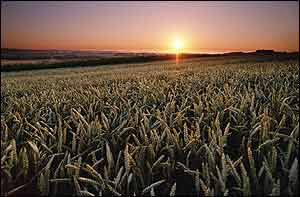 GM crops: A new dawn to some, a dark future to others (Image: Monsanto)
He says some "fundamentalist" lobby groups opposing GM crops dismiss scientific facts as irrelevant.
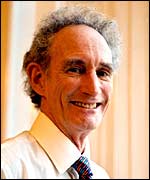
But it could also help to grow food "in ways which work with the grain of nature". The charge comes from Lord May in an address to the Royal Society, the UK's national academy of sciences. Not many answers Lord May became president of the society in 2000, after five years as chief scientific adviser to the UK Government. He argues in his address for an open public debate about the possible effects of GM crops on other species, and about the wider role of scientists in society.
He said science was at least as much "a way of asking illuminating questions as it is a collection of tidy and certain answers". But he did warn his audience against "fundamentalist" lobby groups which, he said, "know, by dogma, instinct or political ideology that GM crops are bad, and the scientific facts are irrelevant". Garden menace The British countryside was under greater threat from some commonly sold exotic plants than from potential new GM "superweeds", he argued. Lord May said the possible risks of GM plants had been exaggerated: "Pollen from 'conventional' crops, many of which have been produced by very hi-tech methods in recent years and which could easily be seen as Frankensteinian if you so chose, blows around, and does create hybrids. "But, far from being superweeds, these are typically wimps. There are, however, real problems with invasive species in the UK. But they come from plants you can buy at garden centres. "Among several current examples are the invasive aquatic weeds, Australian swamp stonecrop, Crassula helmsii, which first 'escaped' from garden ponds in 1956 and now infests over 2,000 sites nationwide. "Another is the floating pennywort, Hydrocotyle ranunculoides, now a major problem in the Exminster Marshes and the Pevensey Levels." Blessing or curse Lord May said he hoped the government's decision on commercialising GM crops would be based on "a real debate about values and beliefs... against a realistic background of the possibilities that tomorrow's agricultural biotechnology may offer".
The new technology could be used to make modern farming more intensive, with "fewer wild plants, fewer insects, fewer birds and an ever more silent spring". But it could also help us to "grow our food efficiently but in ways which work with the grain of nature rather than wrenching the environment to [produce] our crops with fossil-fuel subsidised fertilisers, herbicides and pesticides". 'Out of touch' Lord May said there had been calls for a scientists' code of conduct, something like medicine's Hippocratic Oath. "Such calls will persist", he said, "if the science community does not devote enough time and effort to demonstrating that we recognise and respect the ethical and moral bounds determined by the rest of society, and that we too are guided by an underlying principle, simply to 'do no harm'." Adrian Bebb, of Friends of the Earth, told BBC News Online: "Whether GM genes will escape from GM crops is not in question. "The consequences of escapes are a matter for debate. If Lord May has evidence that they will not create long-term problems, then let him publish it. "Attempting to blame pressure groups when the public at large has serious concerns about GM foods and crops shows how clearly out of touch Lord May is with the general public." | | See also:  26 Nov 02 | Science/Nature 14 Nov 02 | Africa 17 Sep 02 | Science/Nature 26 Jul 02 | Science/Nature 14 Jun 02 | Science/Nature Internet links: The BBC is not responsible for the content of external internet sites Top Science/Nature stories now: Links to more Science/Nature stories are at the foot of the page. | |||||||||||||||||||||||||||||||||||||||||||||||||||||||||||||||||||||||||||||||||||||||||||||||||||||||||||||||||||||||||||||||||||||||||||||||||
| |
|  E-mail this story to a friend E-mail this story to a friend |
| |
| Links to more Science/Nature stories |
| | | ||
 | ||||
 | | Back to top
| ||
| ---------------------------------------------------------------------------------- To BBC Sport>> | To BBC Weather>> | To BBC World Service>> ---------------------------------------------------------------------------------- © MMIII | News Sources | Privacy |