|
 |
 | | | | | | |||||||||||||||||||||||||||||||||||||||||||||||||||||||||||||||||||||||||||||||||||||||||||||||||||||||||||||||||||||||||||||||||||||||||||||||||||||
| | | You are in: Science/Nature | |||||||||||||||||||||||||||||||||||||||||||||||||||||||||||||||||||||||||||||||||||||||||||||||||||||||||||||||||||||||||||||||||||||||||||||||||||||||
|
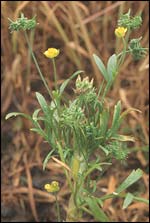
| | Tuesday, 17 September, 2002, 16:57 GMT 17:57 UK British plant 'bible' published  Arable "weeds" have shown a marked decline (Image by Paul Glendell/English Nature)
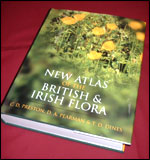
The New Atlas Of The British And Irish Flora details the remarkable changes that have taken place in the countryside since the investigation was last undertaken in the 1950s.
In stark contrast, the atlas reveals how tall plants, coastal species and alien invaders, such as the butterfly bush (Buddleja davidii), have often thrived in the altered habitats. David Pearman, of the Botanical Society of the British Isles, one of the atlas's editors, stressed that not all the changes seen in the 40 years since the previous volume was written had been negative. Still alarming "Measures that have been introduced in the last 15 years have improved things. It was a scandal the way the deterioration in the distribution of plants was allowed to continue for so long, but in recent years we have begun to turn the corner," he told BBC News Online.
"I'm not saying that we don't still lose bogs and habitats to roads and factories, but this is not the gloomy story it was 20 years ago." Not everyone, however, is prepared to be so positive. English Nature, the UK Government's own wildlife advisory agency, said the declining distribution of some plants was still alarming. The agency claimed that many plants only held on in some locations because of the protection they received in Sites of Special Scientific Interest (SSSI), nature reserves and other areas in the rest of the protected sites network. Car pollution English Nature's botanical expert, Simon Leach, said: "Particularly in the lowlands, these places have become quite literally last refuges for many native wild plants. "Populations of some of our rarest species - like pennyroyal, fen orchid, water germander and sharp-leaved pondweed - are now almost entirely restricted to SSSIs."
Overuse of agrochemicals is partly to blame for driving away species, such as lady's bedstraw (Galium verum) and field bindweed (Convolvulus arvensis), that like infertile soils, but this threat is now compounded by car pollution. The nitrogen oxides expelled by vehicles are eventually rained out of the atmosphere, raising soil fertility to levels that can be tolerated by a different range of plants - many of which like the common nettle (Urtica dioica) are not very popular with the public. "Pervasive spread" Professor John Lawton, chief executive of the Natural Environment Research Council (Nerc), said: "There is as much nitrogen falling out of the air from car exhausts now as farmers put on the land with fertilisers in the 1950s. That is the scale of the problem."
Another atlas editor Dr Chris Preston, from the Centre for Ecology and Hydrology (CEH), added: "This is the biggest and most intractable problem. "It is easy, relatively speaking, to stop grasslands being ploughed up but stopping this all pervasive spread of nutrients is very difficult." Volunteer army The atlas took three years to produce.
Data on nearly 3,000 species are included. The book's editors say it will be the defining botanical resource used to frame environmental policies that affect the UK countryside. The atlas contains 750 species not listed in the previous volume.
The most species-rich 10-km square was found in Dorset (SY98). The area, which includes the town of Wareham, has an astonishing range of habitats, including heathland, chalkland, lowland rivers and coastline near Poole Harbour. The atlas project was funded by the Department for Environment, Food and Rual Affairs (Defra), and spearheaded by the Botanical Society of the British Isles (BSBI) and Centre for Ecology and Hydrology (CEH). The atlas is published through Oxford University Press, priced at �100.00 (hardback with CD-rom). | | See also:  13 May 02 | Science/Nature 16 Feb 00 | Science/Nature 02 Jul 02 | Science/Nature 19 Apr 02 | Science/Nature 13 Dec 00 | Science/Nature 04 Apr 02 | Science/Nature 02 Jul 02 | Science/Nature 25 Apr 02 | Science/Nature Internet links: The BBC is not responsible for the content of external internet sites Top Science/Nature stories now: Links to more Science/Nature stories are at the foot of the page. | |||||||||||||||||||||||||||||||||||||||||||||||||||||||||||||||||||||||||||||||||||||||||||||||||||||||||||||||||||||||||||||||||||||||||||||||||||||
|  |
|  E-mail this story to a friend E-mail this story to a friend |
 | |
| Links to more Science/Nature stories |
| | | ||
 | ||||
 | | Back to top
| ||
| ---------------------------------------------------------------------------------- To BBC Sport>> | To BBC Weather>> | To BBC World Service>> ---------------------------------------------------------------------------------- © MMIII | News Sources | Privacy |






 This is not the gloomy story it was 20 years ago