
|
 |
 | | | | | | ||||||||||||||||||||||||||||||||||||||||||||||||||||||||||||||||||||||||||||||||||||||||||||||||||||||||||||||||||||||||||||||||||||
| | | You are in: Programmes: Inside Money | ||||||||||||||||||||||||||||||||||||||||||||||||||||||||||||||||||||||||||||||||||||||||||||||||||||||||||||||||||||||||||||||||||||||
|
| |  Monday, 5 August, 2002, 10:47 GMT 11:47 UK Monday, 5 August, 2002, 10:47 GMT 11:47 UK The welfare state 1832 - 1945 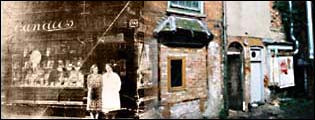 A chronology of key events: 1832 - A Royal Commission is set up to investigate the 'Poor Law' under which poor relief is provided by parishes. 1834 - The Poor Law Amendment Act is passed and strict rules on poor relief are published. Parishes are forced to form unions and build workhouses which offer a lower standard of living than anything available outside, so that people do all they can to avoid poverty. 1901 - Seebohm Rowntree publishes a poverty report in which he distinguishes between primary poverty, caused by low-pay and secondary poverty where earnings are sufficient but spending is wasteful. He criticises the current system and calls for action to fight the problems of unemployment, old-age and ill-health. 1908 - Influenced strongly by Rowntree's findings, the Chancellor passes The Old Age Pensions Act to provide a pension of five shillings a week for people over 70 years-old with incomes of less than �31 - 10s a year. 1909 - The Royal Commission on the Poor Laws finds an overwhelming need to change both law and public attitudes to poverty. 1911 - The National Insurance Act is passed which gives the first contributory system of insurance against illness and unemployment, paid for by state contributions, employers and employees. 1920 - The Unemployed Insurance Act is passed which extends the scope of the 1911 act to include more than 12 million workers. 1925 - Neville Chamberlain continues with the insurance theme with a Widows, Orphans and Old Age Contributory Pensions Act. 1926 - A Royal Commission on National Health Insurance finds the present system inadequate and speaks of a need to move away from an insurance system to a service supported by public funds. 1930 - The Poor Law Act reasserts the liability of relations of the poor to maintain them, grants 'outdoor' relief and restricts admission to workhouses. 1934 - Following a Royal Commission, the Unemployment Act tightens up the insurance scheme. The Unemployment Assistance Board is set up, eligibility for relief is widened but family means testing continues. 1935 - National Health Insurance Act consolidates the law for insurance contributions and benefits. 1940 - The Minister of Health announces the intention to provide a full regional hospital service financed by grants from local authorities alongside payments by patients either directly or through contributory schemes. 1942 -Sir William Beveridge publishes his"Social Insurance and Allied Services" report with state welfare proposals. 1944 - A National Health Service white paper proposes changes to hospital administration and general practice and a free service with costs met through the Social Insurance scheme and a mixture of central and local public money. | |       See also:  02 Aug 02 | Inside Money Internet links: The BBC is not responsible for the content of external internet sites Top Inside Money stories now: Links to more Inside Money stories are at the foot of the page. | ||||||||||||||||||||||||||||||||||||||||||||||||||||||||||||||||||||||||||||||||||||||||||||||||||||||||||||||||||||||||||||||||||||
| |
|  E-mail this story to a friend E-mail this story to a friend |
|  |
| Links to more Inside Money stories |
| | | ||
 | ||||
 | | Back to top
| ||
| ---------------------------------------------------------------------------------- To BBC Sport>> | To BBC Weather>> | To BBC World Service>> ---------------------------------------------------------------------------------- © MMIII | News Sources | Privacy |



