|
 |
 | | | | | | ||||||||||||||||||||||||||||||||||||||||||||||||||||||||||||||||||||||||||||||||||||||||||||||||||||||||||||||||||||||||||||||||||||||||||||||||||||||||||||||||||||||||||||||||||||||||||||||||||||||||||||||||||||||||||||||
| | | You are in: Middle East | ||||||||||||||||||||||||||||||||||||||||||||||||||||||||||||||||||||||||||||||||||||||||||||||||||||||||||||||||||||||||||||||||||||||||||||||||||||||||||||||||||||||||||||||||||||||||||||||||||||||||||||||||||||||||||||||||
|
| | Wednesday, 29 January, 2003, 19:02 GMT End of an era for Labour?
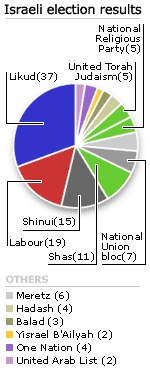
Is it too early to write the obituary of the centre-left Labour party as a driving force in Israeli politics? In the elections of 27 January, Labour - the party of Ben Gurion, Golda Meir, Rabin and Peres - barely scraped together half the seats of its long-standing rival, the right-wing Likud. In short, the election represents a catastrophe for the grouping considered Israel's "natural party of government" for so much of the state's 55-year history - its worst result ever. Compare it with the 1992 election when Labour won more than one third of Knesset seats. Now it occupies less than one sixth of the chamber. Lurch to the right The question is, can Labour bounce back - or has it consigned itself to a long spell of opposition, like other former "natural parties of government" like the UK Tory party?
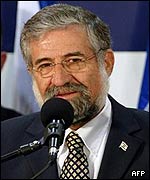
That has lurched sharply to the right in the last 10 years, in particular since the collapse of the peace process with the Palestinians in 2000. Likud leader Ariel Sharon - who until his premiership was seen as a hardline figure of right - finds himself at the centre of the Israeli spectrum. Meanwhile, Labour leader Amram Mitzna's pledge to talk to the Palestinian leadership under Yasser Arafat - a taboo for many years among the Israeli right - now looks like an electoral suicide note. Most Israelis don't want talks with a man they view - rightly or wrongly - as having so much of their compatriots' blood on his hands. They want what Mr Sharon is providing - relentless military and social pressure on the Palestinian population - until militant attacks stop and Palestinians pick a leader more acceptable to Israel's current way of thinking Territorial compromise But if the failure of the 2000 Camp David talks and the outbreak of the Palestinian intifada soon afterwards have left Labour looking out of touch with the Israeli electorate, there is one thing that Mr Mitzna and his party are counting on.
Their vision of a future peace deal maps neatly onto Labour's - emptying most of the settlements and living side by side with a Palestinian state. Mr Sharon has only spoken of "painful concessions" that he is prepared to make, but there has been little sign anything like that since he came to power. So Labour's time may come again, if the bloodshed stops and the wounds begin to heal. But no one sees that as a likely prospect in the near future. | |
See also:  29 Jan 03 | Middle East 28 Jan 03 | Middle East 28 Jan 03 | Middle East 29 Jan 03 | Middle East 29 Jan 03 | Middle East Internet links: The BBC is not responsible for the content of external internet sites Top Middle East stories now: Links to more Middle East stories are at the foot of the page. | ||||||||||||||||||||||||||||||||||||||||||||||||||||||||||||||||||||||||||||||||||||||||||||||||||||||||||||||||||||||||||||||||||||||||||||||||||||||||||||||||||||||||||||||||||||||||||||||||||||||||||||||||||||||||||||||
 | |
|  E-mail this story to a friend E-mail this story to a friend |
| |
| Links to more Middle East stories |
| | | ||
 | ||||
 | | Back to top
| ||
| ---------------------------------------------------------------------------------- To BBC Sport>> | To BBC Weather>> | To BBC World Service>> ---------------------------------------------------------------------------------- © MMIII | News Sources | Privacy |