|
 |
 | | | | | | ||||||||||||||||||||||||||||||||||||||||||||||||||||||||||||||||||||||||||||||||||||||||||||||||||||||||||||||||||||||||||||||||||||||||||||||||||||||||||||||||||||||||||||||||||||||||||||||||||||||||||||||||||||||||||||||||||||||||||||||||||||||||||||
| | | You are in: Middle East | ||||||||||||||||||||||||||||||||||||||||||||||||||||||||||||||||||||||||||||||||||||||||||||||||||||||||||||||||||||||||||||||||||||||||||||||||||||||||||||||||||||||||||||||||||||||||||||||||||||||||||||||||||||||||||||||||||||||||||||||||||||||||||||||
|
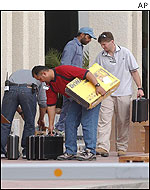
| | Thursday, 28 November, 2002, 01:57 GMT 'Good start' to Iraqi inspections 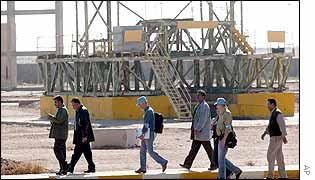 Inspectors were not hindered on their first day Chief United Nations weapons inspector Hans Blix has described the resumption of inspections in Iraq as "a good start". Mr Blix made the comments in New York after UN teams had completed their first inspections - visiting two suspected sites - and said they had been given full access by the Iraqis.
But Mr Blix cautioned that a long process was just beginning and it was too early to say what the final result would be. "I wouldn't want to predict too much simply because we have had one day without conflict." Maintaining US pressure on Baghdad, Deputy Defence Secretary Paul Wolfowitz said there had to be a genuine change of heart by the Iraqi leader, Saddam Hussein, for the weapons inspections to succeed. Mr Wolfowitz - one of the leading hardliners in the Bush administration - warned that if Baghdad continued to maintain that it had no weapons of mass destruction, then that would be a fairly strong sign of non co-operation. 'No problems' On Wednesday, two separate UN inspectors teams visited the al-Tahadi factory in the al-Rashad suburb, about 13 kilometres north-east of the capital, and a graphite plant in al-Amariyah, about 40km from Baghdad.
Both sites are reported to have been inspected in the 1990s, before UN inspectors left the country complaining that Iraqi officials were obstructing their work. Jacques Baute of the International Atomic Energy Agency (IAEA), who led one of the groups, said "the team was able to complete the inspection work as it planned with the co-operation of the Iraqi side and we had access to what we wanted to see".
And Dimitri Perricos, leader of the other team - from the UN monitoring mission (Unmovic) - said the "immediateness" of the access given was a "good sign" for future inspections. Mr Perricos said that the inspectors were given data including computer circuits which would enable them to assess the capabilities of the sites further. The plant's director, Haitham Mahmoud, showed journalists around and told them the factory made machine parts for use in oil and cement production - nothing to do with weapons of mass destruction.
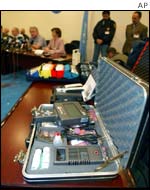
The inspectors are using state-of-the-art technology to try to find out whether Iraq has any weapons of mass destruction. Their findings could determine whether the US carries out its threat to lead a military assault on Iraq. The inspections were authorised by the UN Security Council in a resolution unanimously agreed earlier this month, which aims to compel Iraq to disarm or face "serious consequences". 'Iraqi bugs' Secrecy and surprise are essential to the inspections, but the BBC's Andrew Gilligan in Baghdad says when the inspectors arrived at the al-Tahadi site it almost looked as if the Iraqis were expecting them. Our correspondent says that UN sources in Baghdad said there could be other explanations for this, but they confirmed that because of a lack of resources no part of the inspectors' headquarters have yet been swept for Iraqi bugs. The building is believed to be infested with them. In the days ahead, the UN inspectors are expected to spread out over Iraq in search of mobile laboratories, underground factories and other signs of banned Iraqi weapons production. Under the terms of the resolution, Baghdad has until 8 December to produce a list of any nuclear, chemical or biological weapons in its arsenal - the accuracy of which weapons inspectors will be asked to verify. BBC world affairs correspondent Peter Biles says the US and UK - the two countries most willing to use forces against Iraq - both insist they still want to solve the crisis without military action. But he says the threat of force is being maintained, and the UN inspectors are now under enormous pressure to discover the extent of Iraq's weapons programme. | |
See also:  27 Nov 02 | Middle East 27 Nov 02 | Middle East 26 Nov 02 | Middle East 25 Nov 02 | Media reports 18 Nov 02 | Middle East 28 Nov 02 | Middle East 27 Nov 02 | Middle East Internet links: The BBC is not responsible for the content of external internet sites Top Middle East stories now: Links to more Middle East stories are at the foot of the page. | ||||||||||||||||||||||||||||||||||||||||||||||||||||||||||||||||||||||||||||||||||||||||||||||||||||||||||||||||||||||||||||||||||||||||||||||||||||||||||||||||||||||||||||||||||||||||||||||||||||||||||||||||||||||||||||||||||||||||||||||||||||||||||||
| |
|  E-mail this story to a friend E-mail this story to a friend |
| |
| Links to more Middle East stories |
| | | ||
 | ||||
 | | Back to top
| ||
| ---------------------------------------------------------------------------------- To BBC Sport>> | To BBC Weather>> | To BBC World Service>> ---------------------------------------------------------------------------------- © MMIII | News Sources | Privacy |